Event
Event not found
This event may have moved or the link may be incomplete.
Event
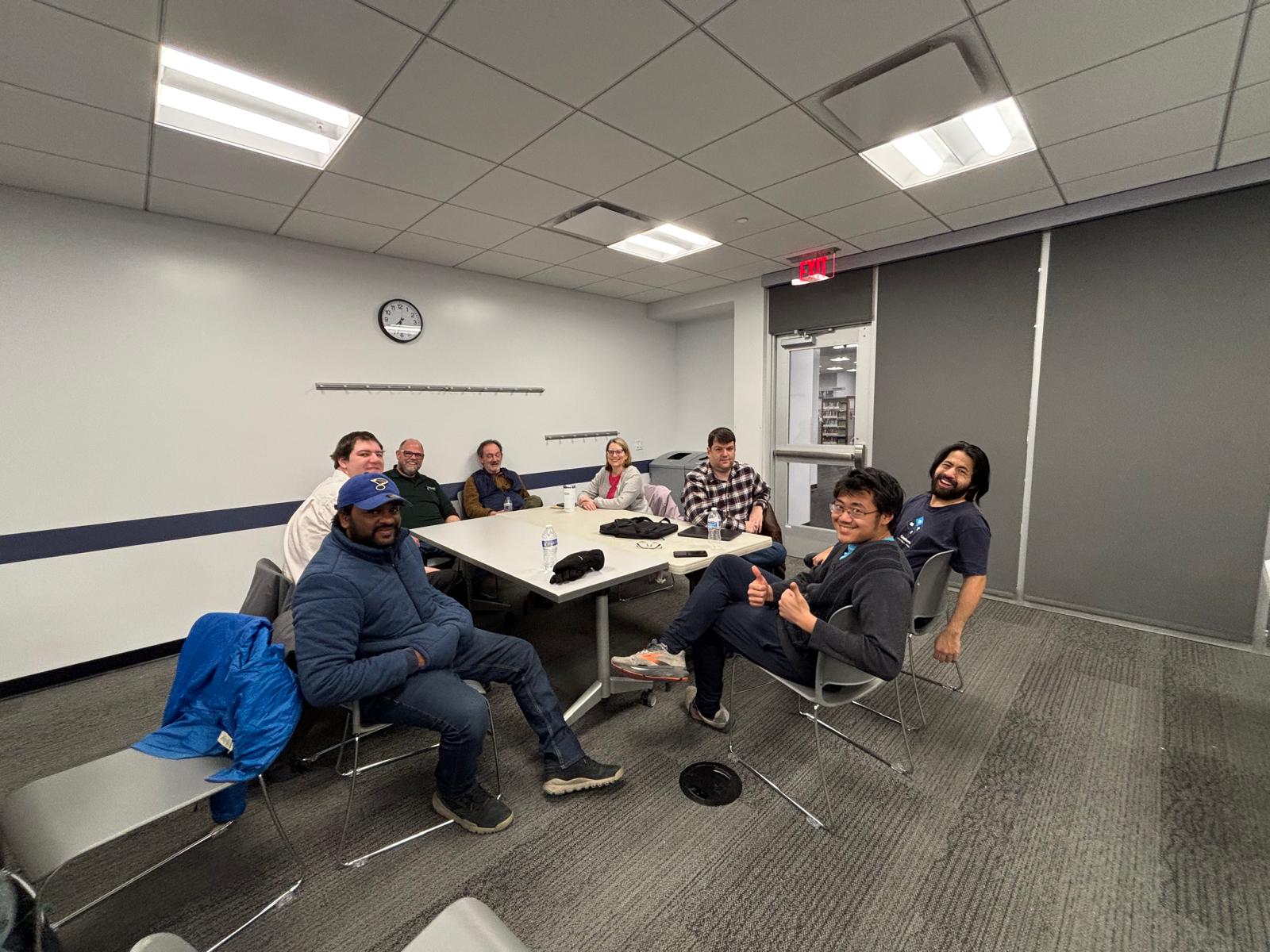
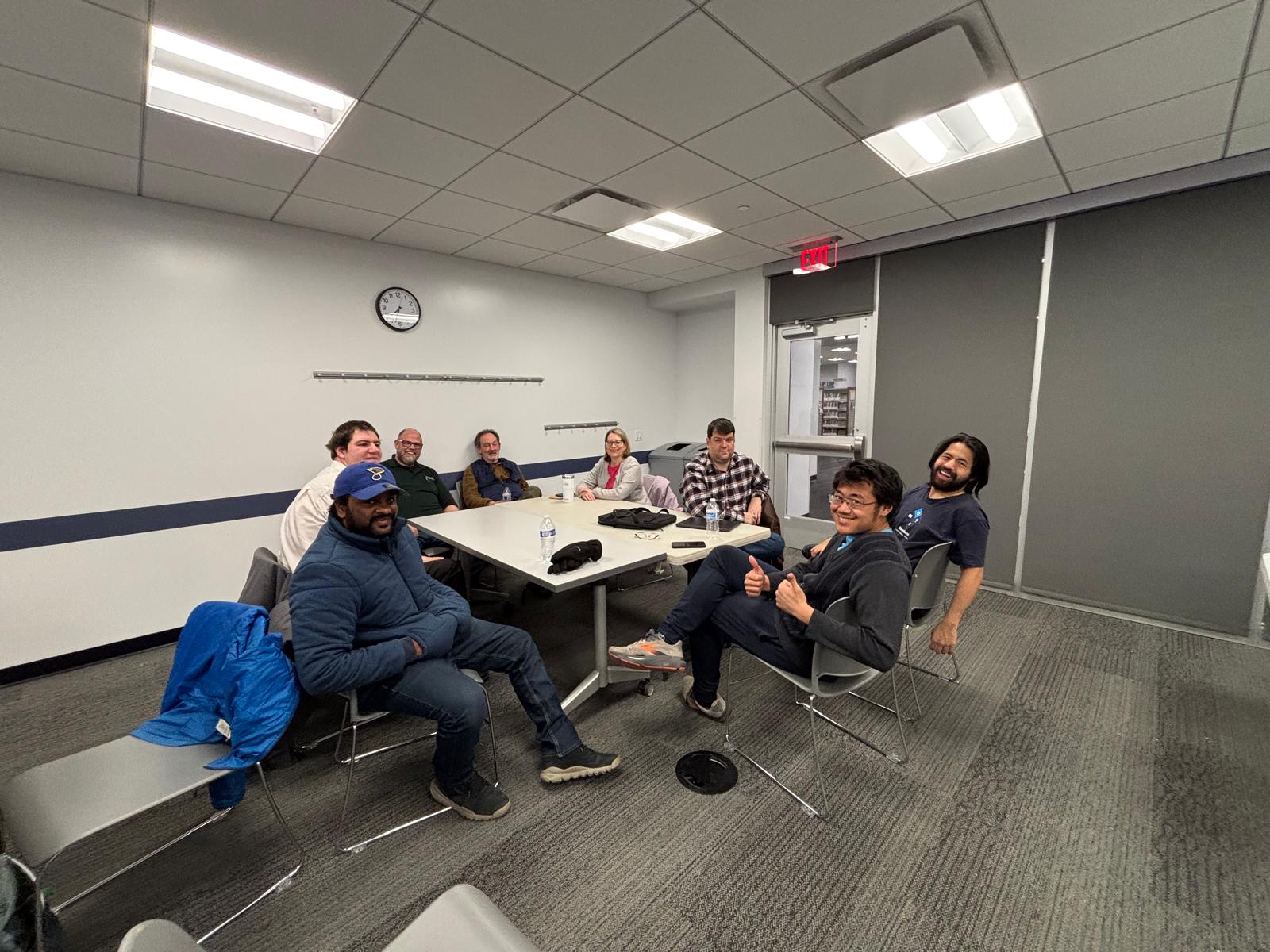
PyData St. Louis Kickoff Meetup: Quantum vs Classical Randomness
2026-02-02 · 6:00 PM
St Louis County Library Grand Glaize Branch
Event photos
About this event
Randomness powers simulation, cryptography, statistics, and machine learning, but are all sources of randomness the same?
In this talk, we’ll explore the difference between classical randomness (dice, noise, pseudorandom number generators) and quantum randomness (measurement, superposition, and qubits). We’ll discuss what “random” really means, how random numbers are generated in practice, and whether quantum mechanics truly produces a deeper kind of randomness than anything classical physics allows.
The talk is beginner-friendly and requires no physics background.
Agenda
- Meet & Greet, networking, introductions
- Talk + Q&A
- Wrap-up
Event
The Hidden Power of Synthetic Data: Teaching Models What Real Data Can’t
2026-03-02 · 6:00 PM
St. Louis County Library Daniel Boone Branch
About this event
Real-world data can be limited, expensive, or restricted by privacy concerns.
Synthetic data offers a way to generate realistic datasets that help train and test models when real data isn’t enough.
Agenda
- Meet & Greet, networking, introductions
- Talk + Q&A
- Wrap-up
Event
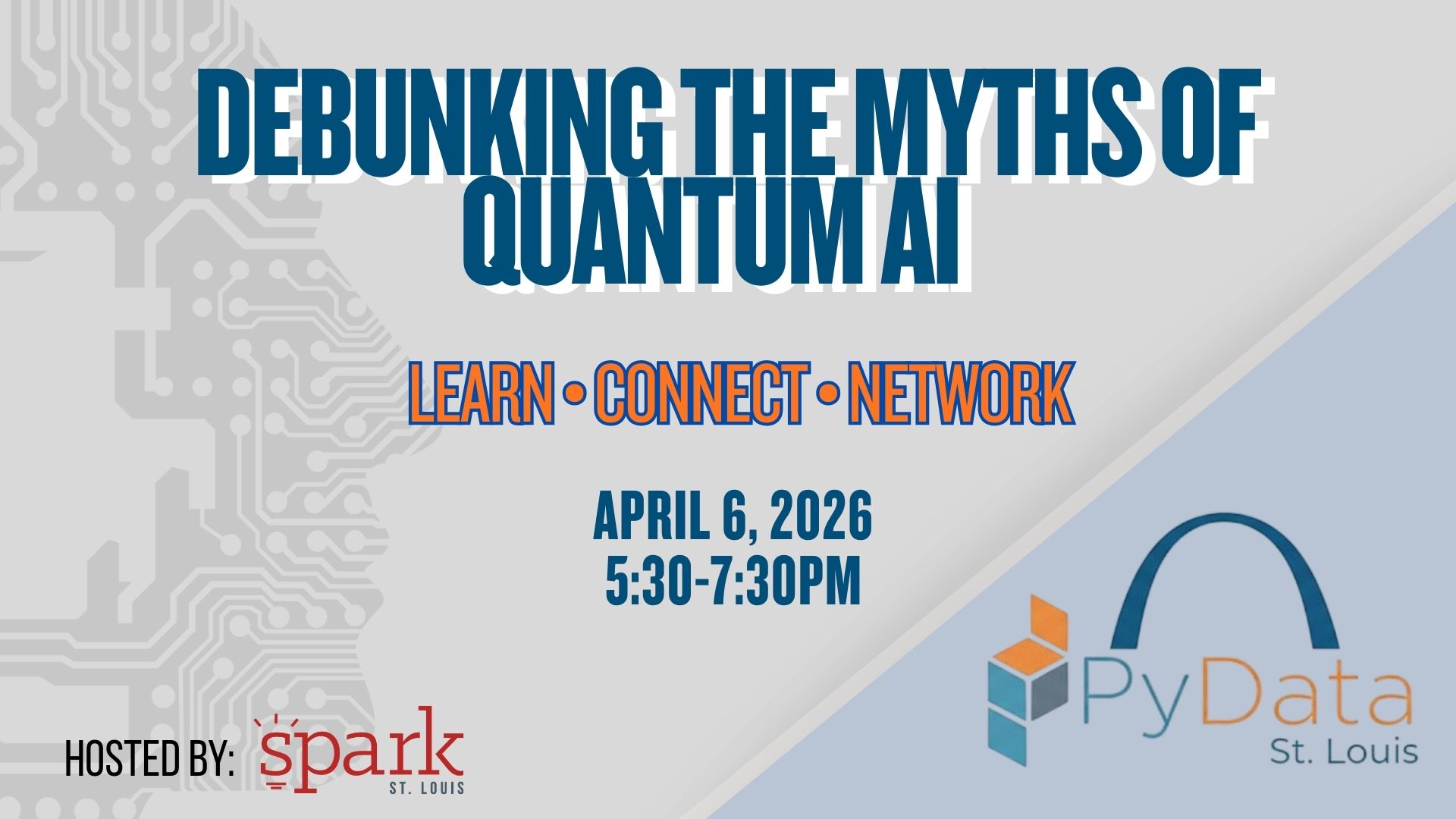
Debunking the myths of Quantum AI
2026-04-06 · 5:30 PM
Spark Coworking St. Louis
Event photos
About this event
Join us at PyData St. Louis for a talk and community discussion on debunking the myths of Quantum AI and understanding what the technology can realistically do today.
Quantum computing and AI are often discussed together, but many claims about “Quantum AI” are misunderstood or exaggerated.
This session will explore what quantum computing actually is, where it might intersect with machine learning, and what data scientists should realistically expect from the field.
Agenda
- Meet & Greet, networking, introductions
- Talk + Q&A
- Wrap-up
Event
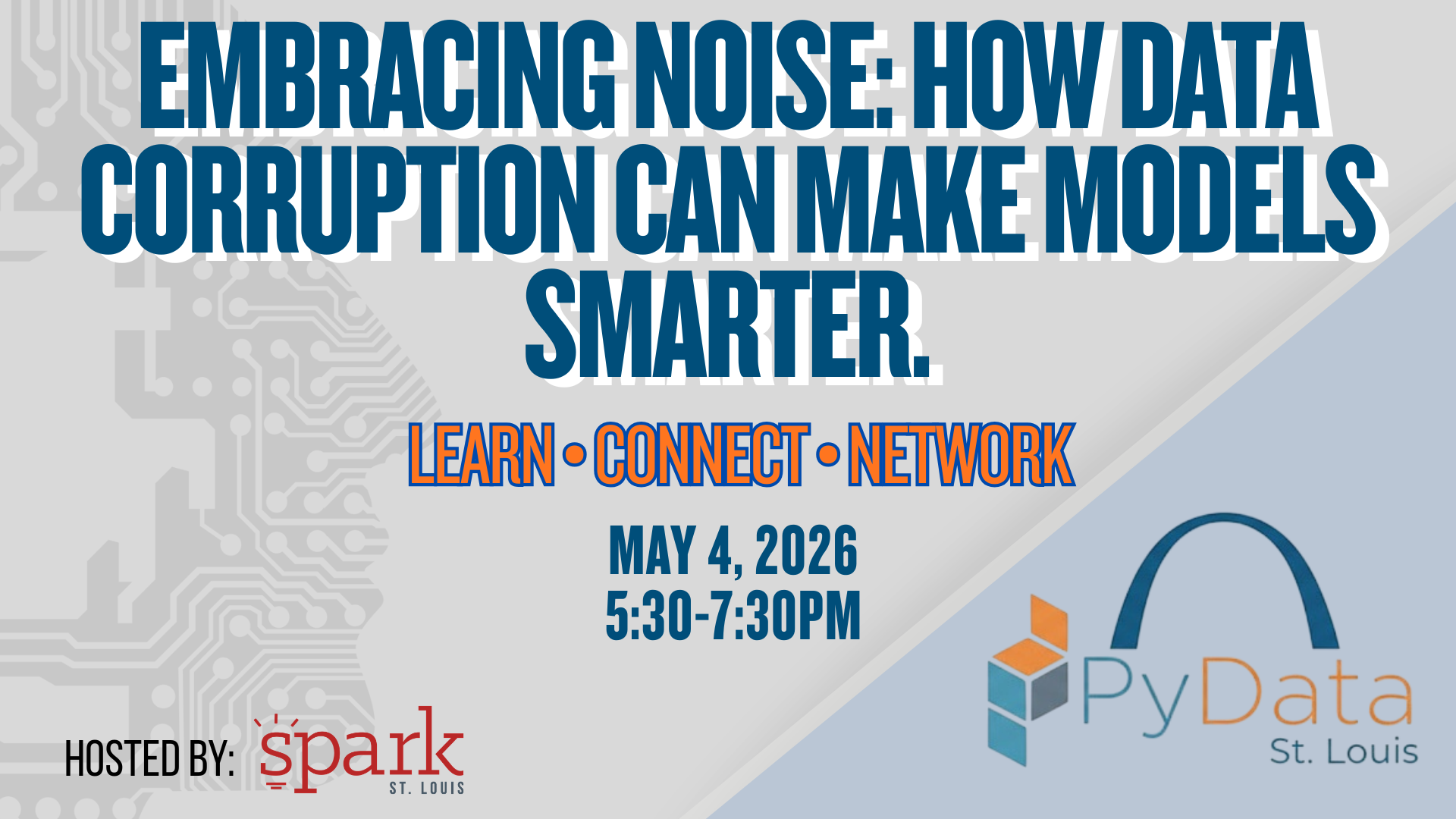
Embracing Noise: How Data Corruption Can Make Models Smarter
2026-05-04 · 5:30 PM
Spark Coworking St. Louis
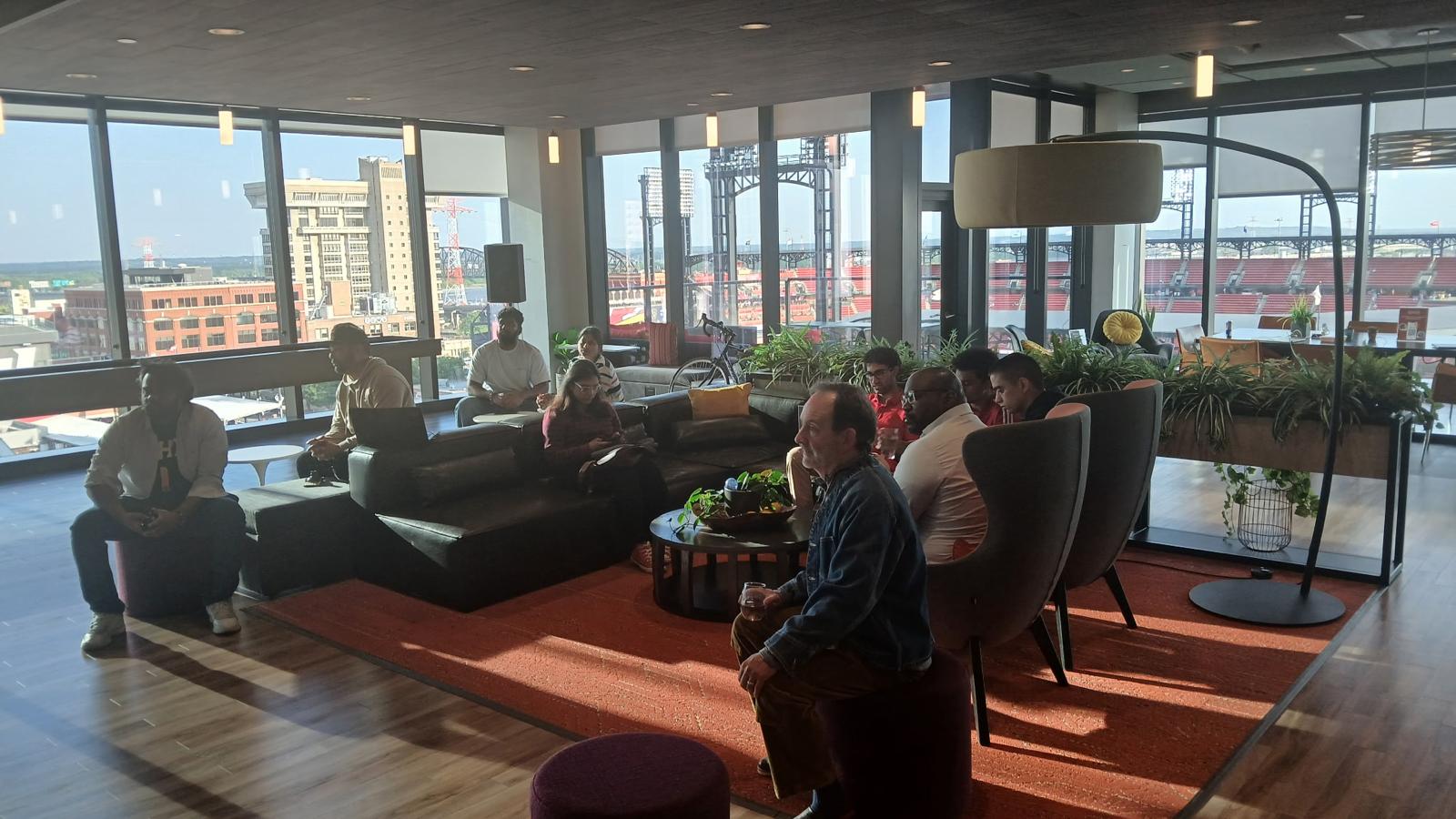
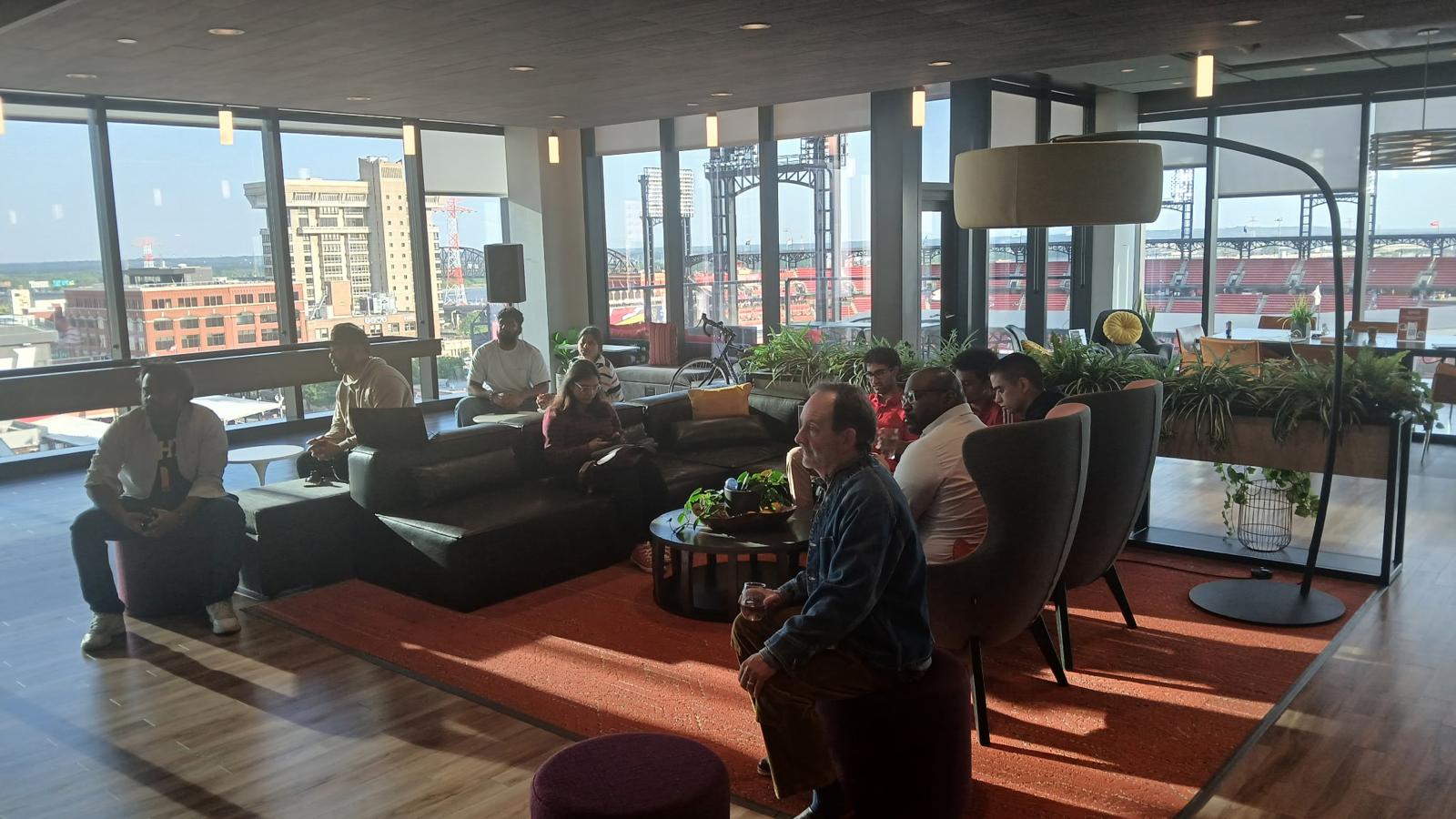
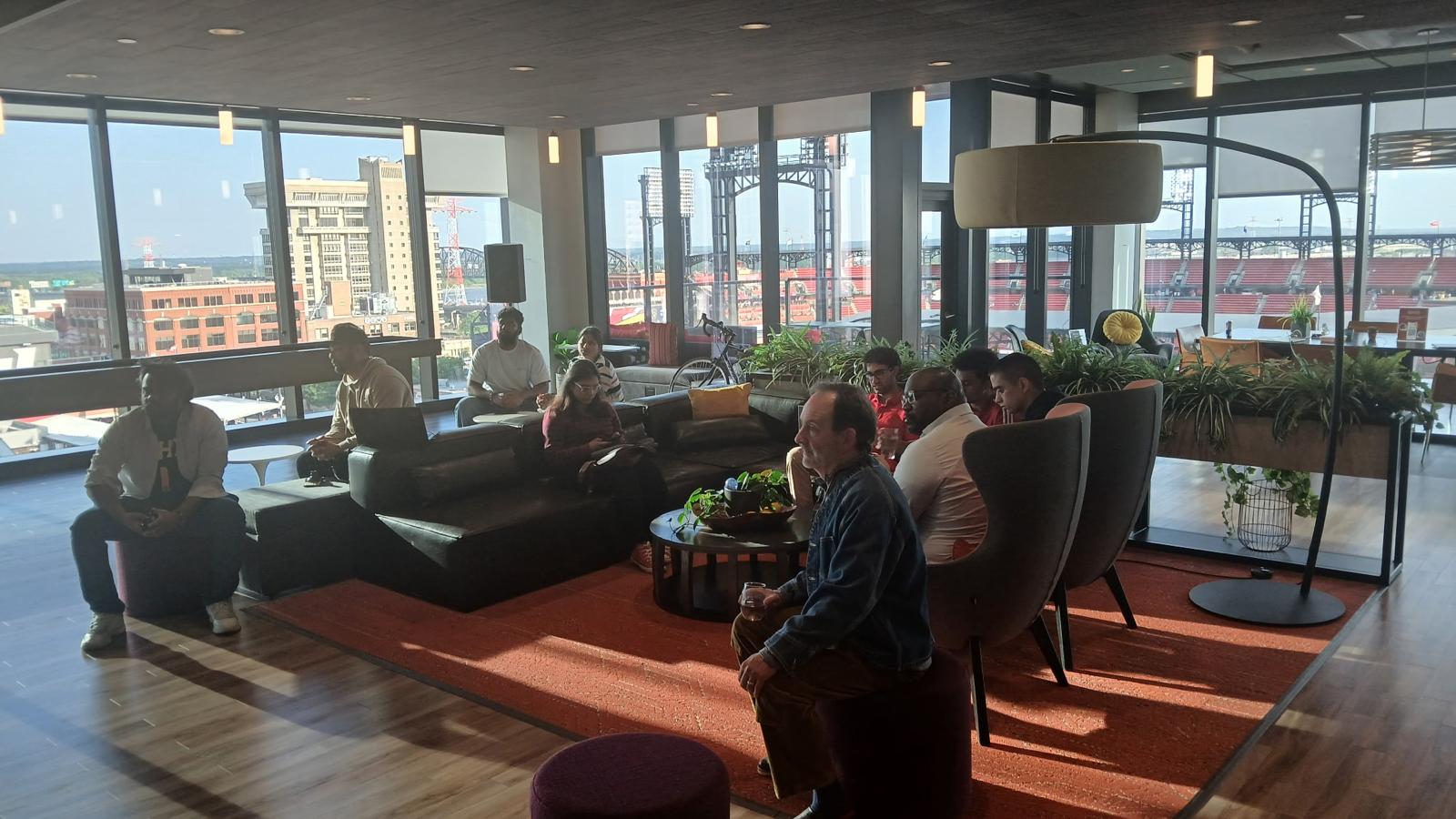
Event photos
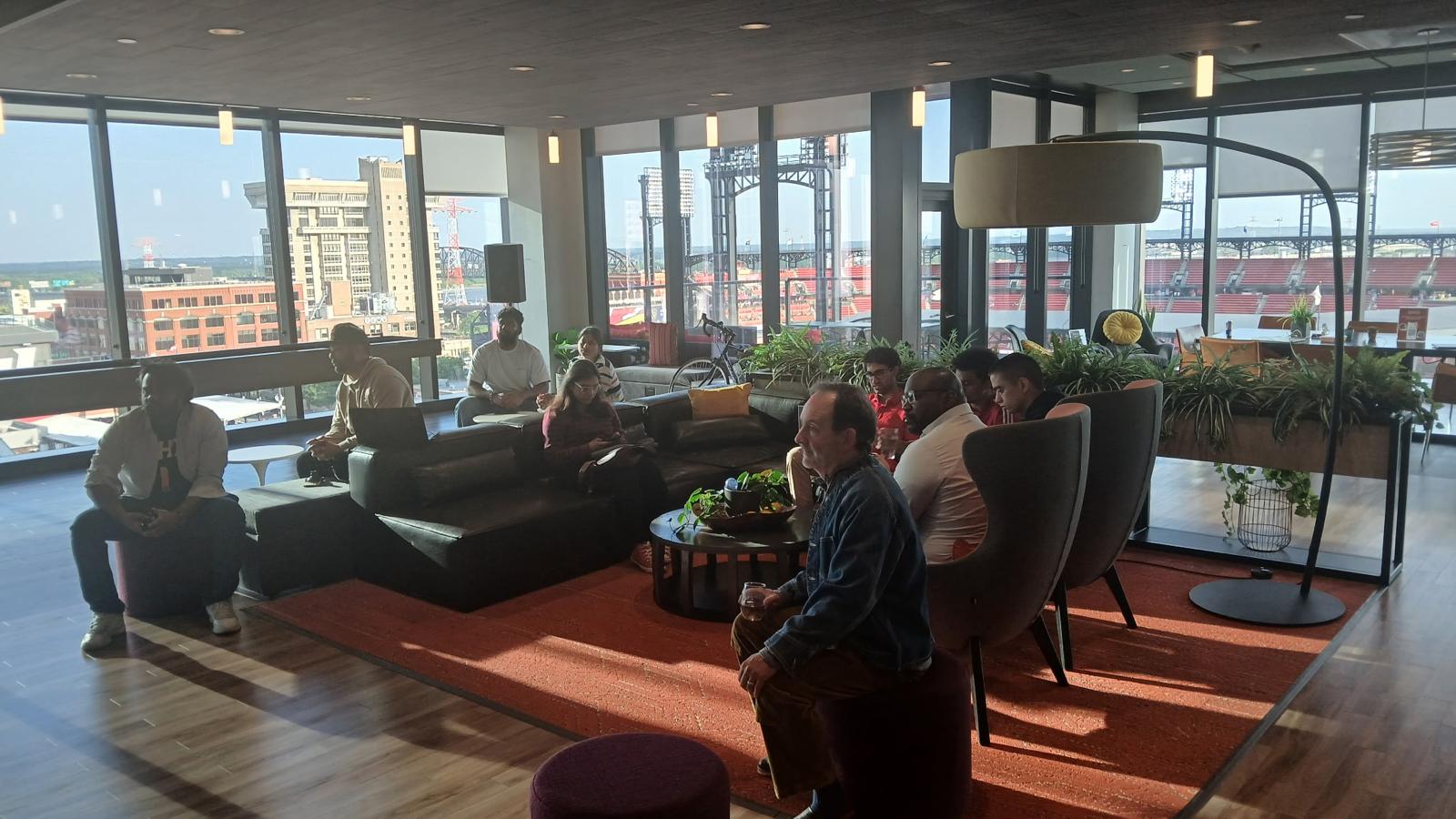
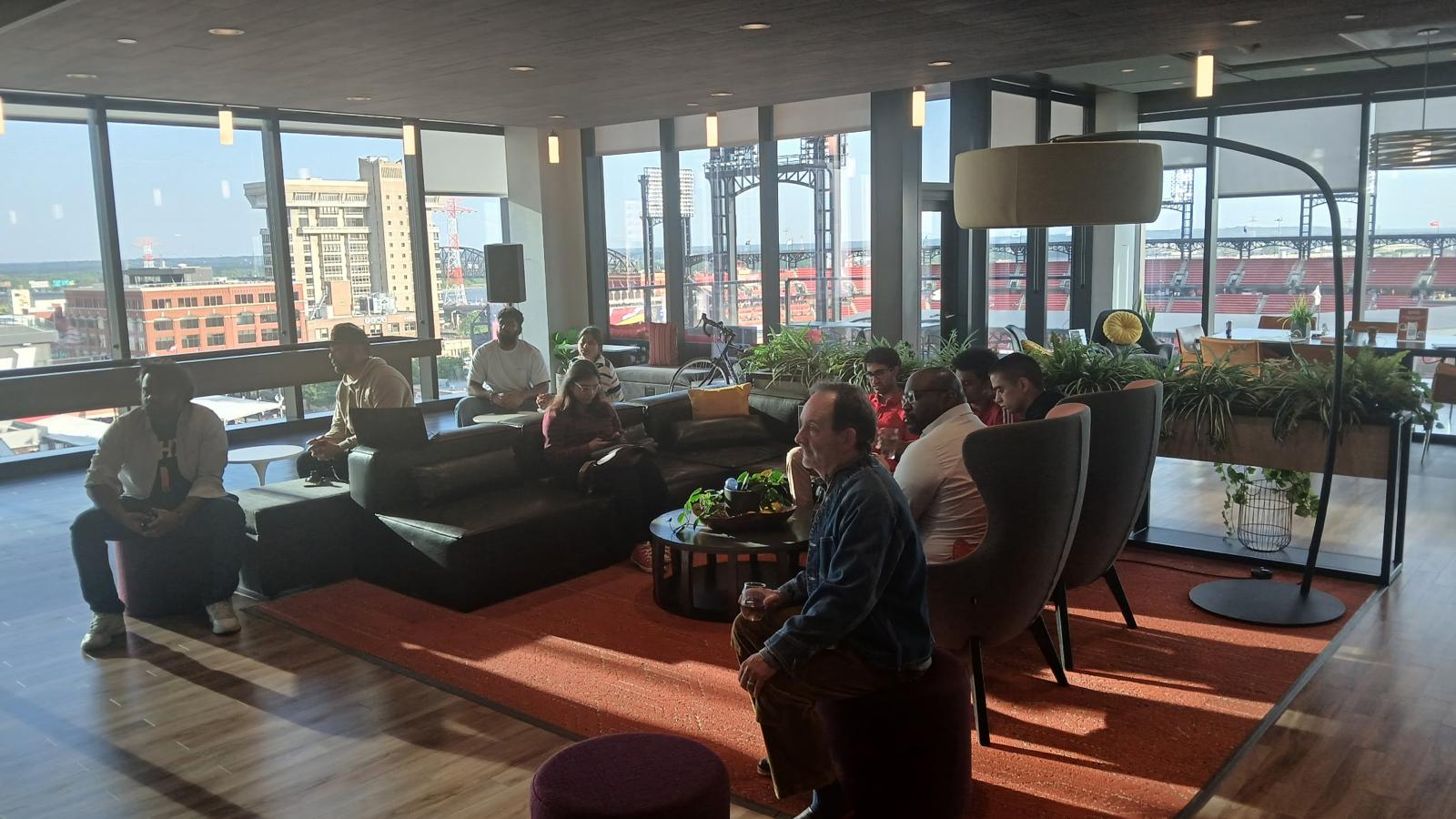
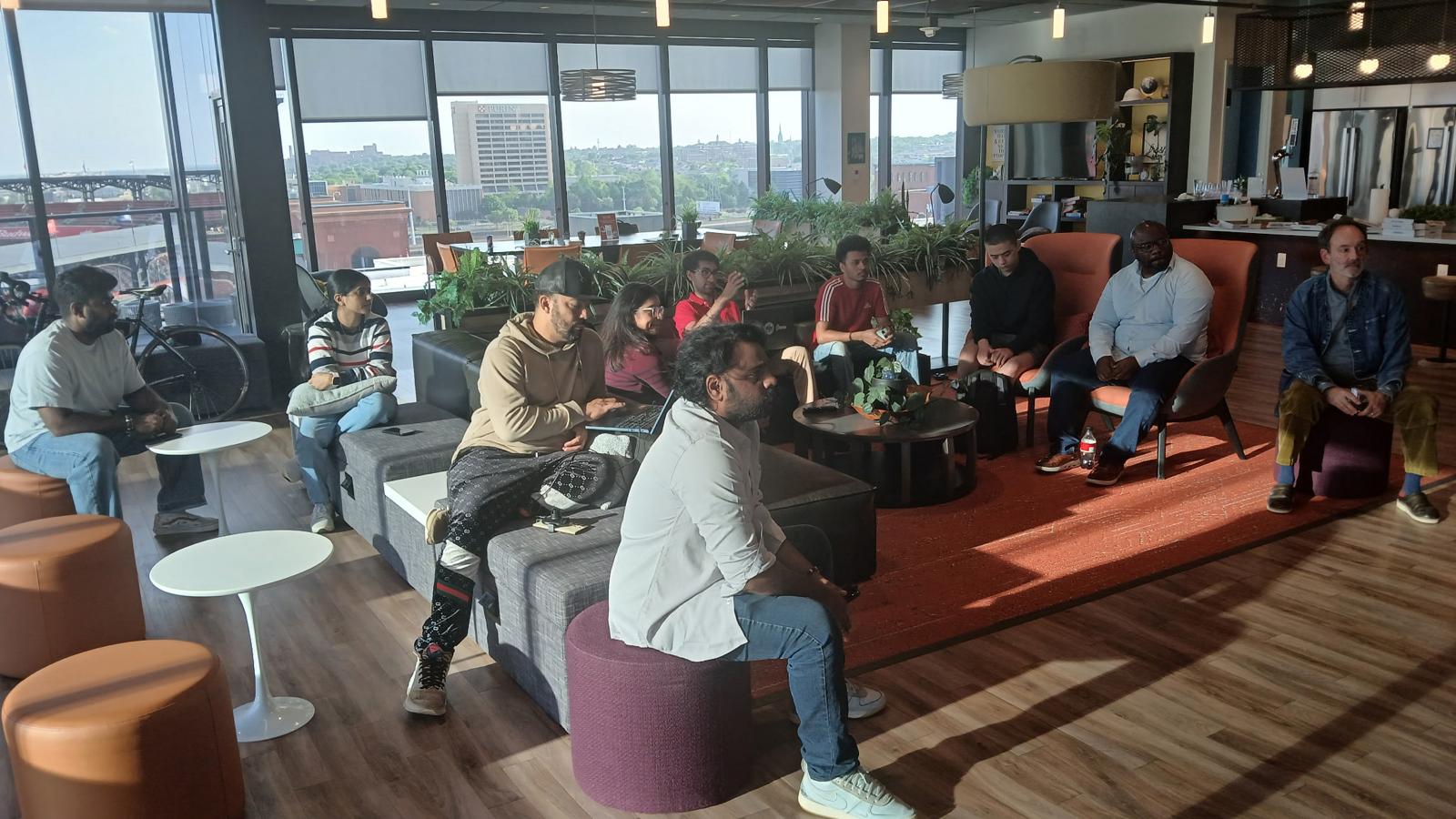
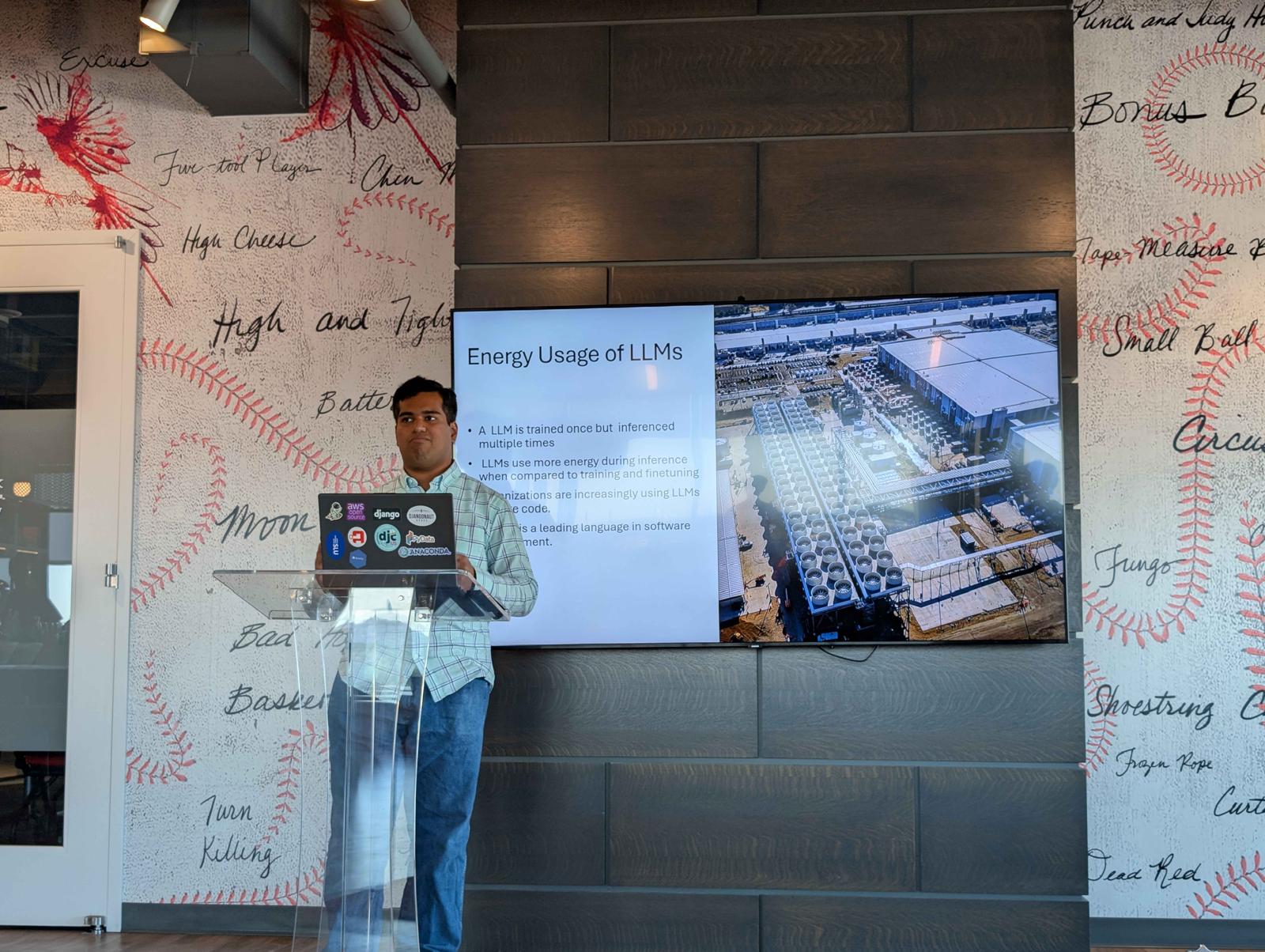
About this event
Machine learning is often built on the assumption of clean, high-quality data. In reality, data is messy, incomplete, and noisy.
This session explores a powerful idea: introducing controlled corruption during training can improve robustness, reduce overfitting, and help models perform better in real-world conditions.
Agenda
- Meet & Greet, networking, introductions
- Talk + Q&A
- Wrap-up
Event
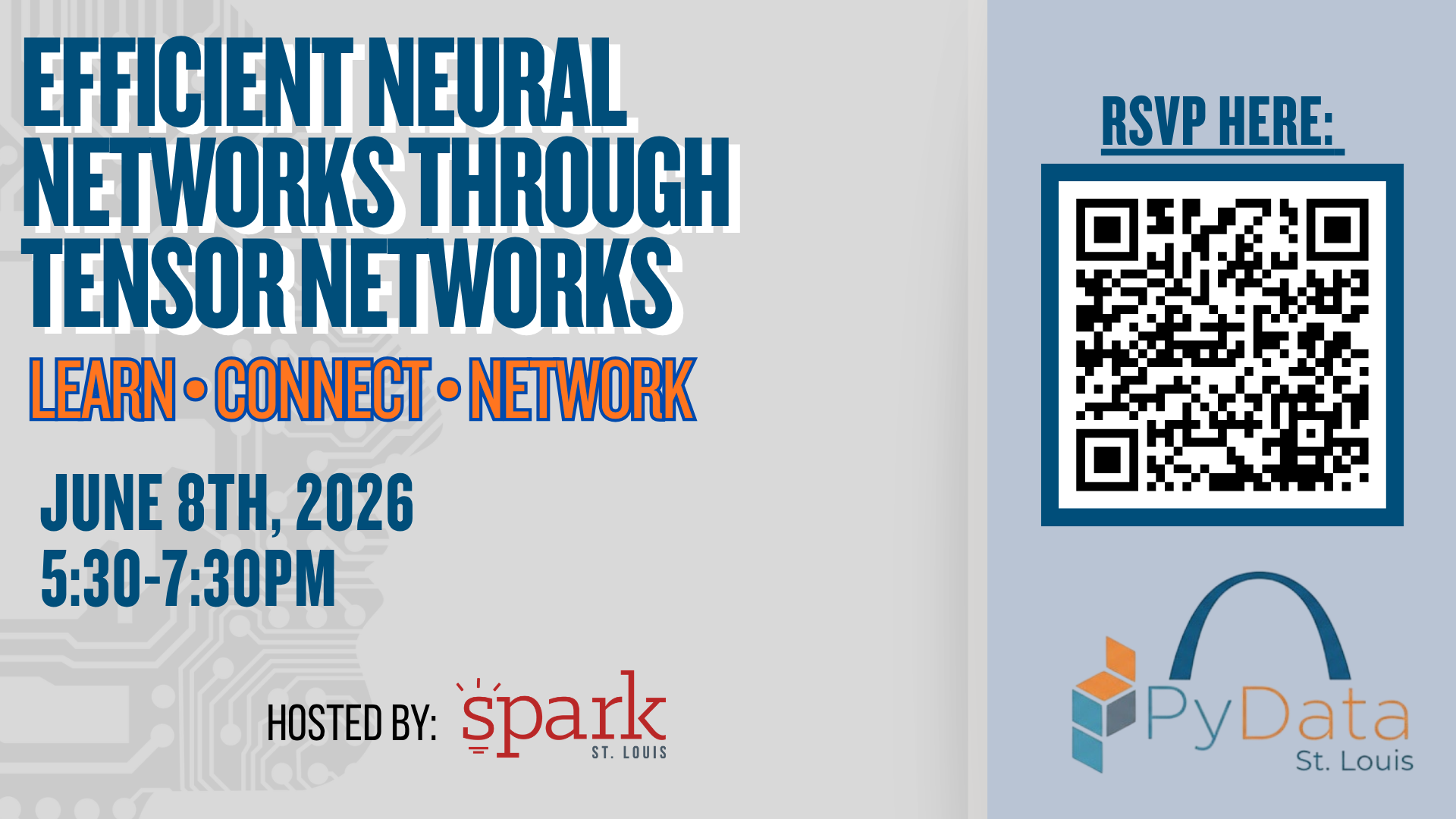
Efficient Neural Networks Through Tensor Networks
2026-06-08 · 5:30 PM
Spark Coworking St. Louis
Event photos
About this event
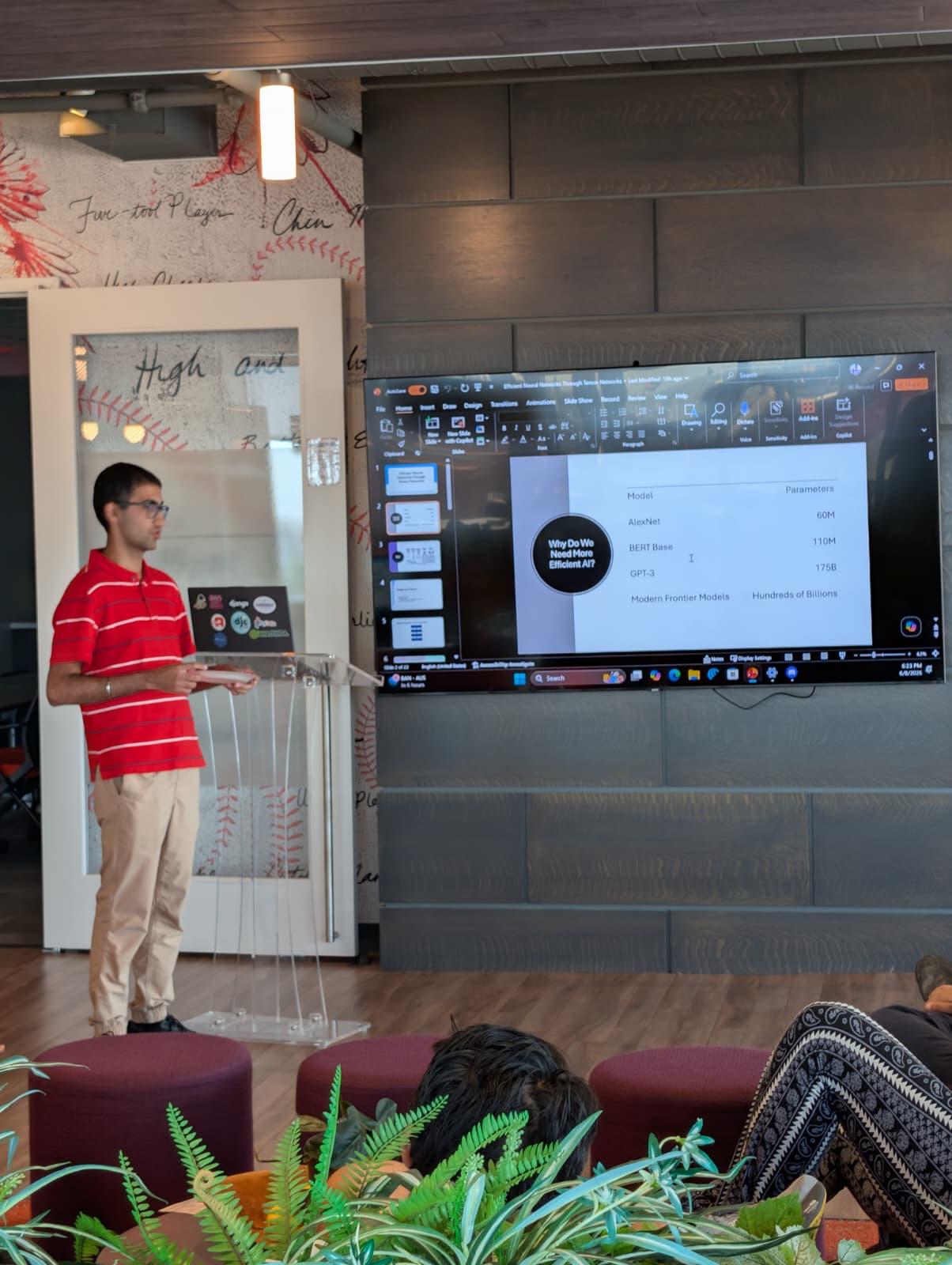
Modern AI systems continue to grow larger and more computationally expensive.
This session explores an alternative approach inspired by physics and scientific computing: tensor networks.
These techniques can compress neural network representations while preserving much of their performance, offering a possible path toward more efficient AI systems.
Agenda
- Meet & Greet, networking, introductions
- Talk + Q&A
- Wrap-up
Event
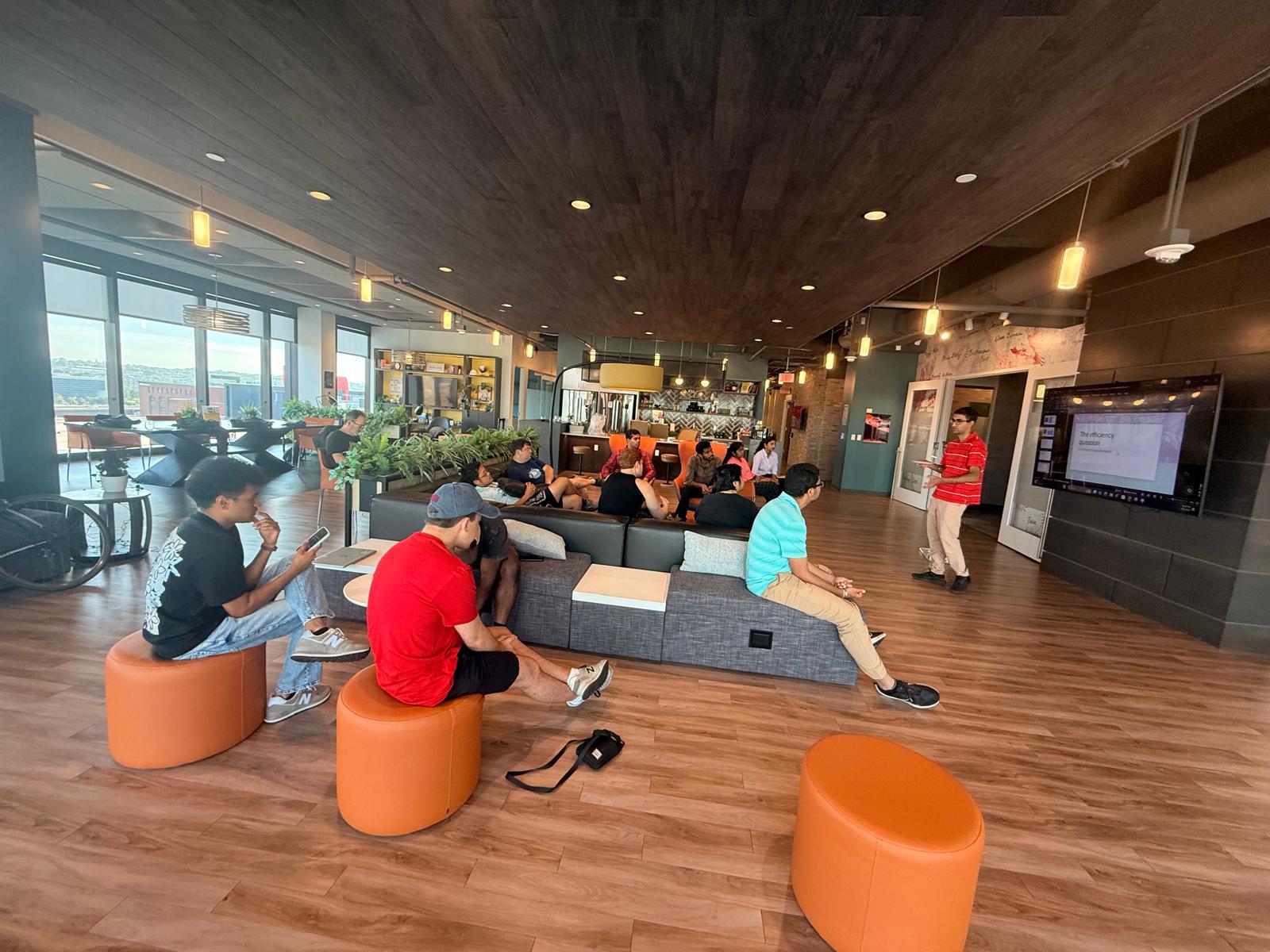
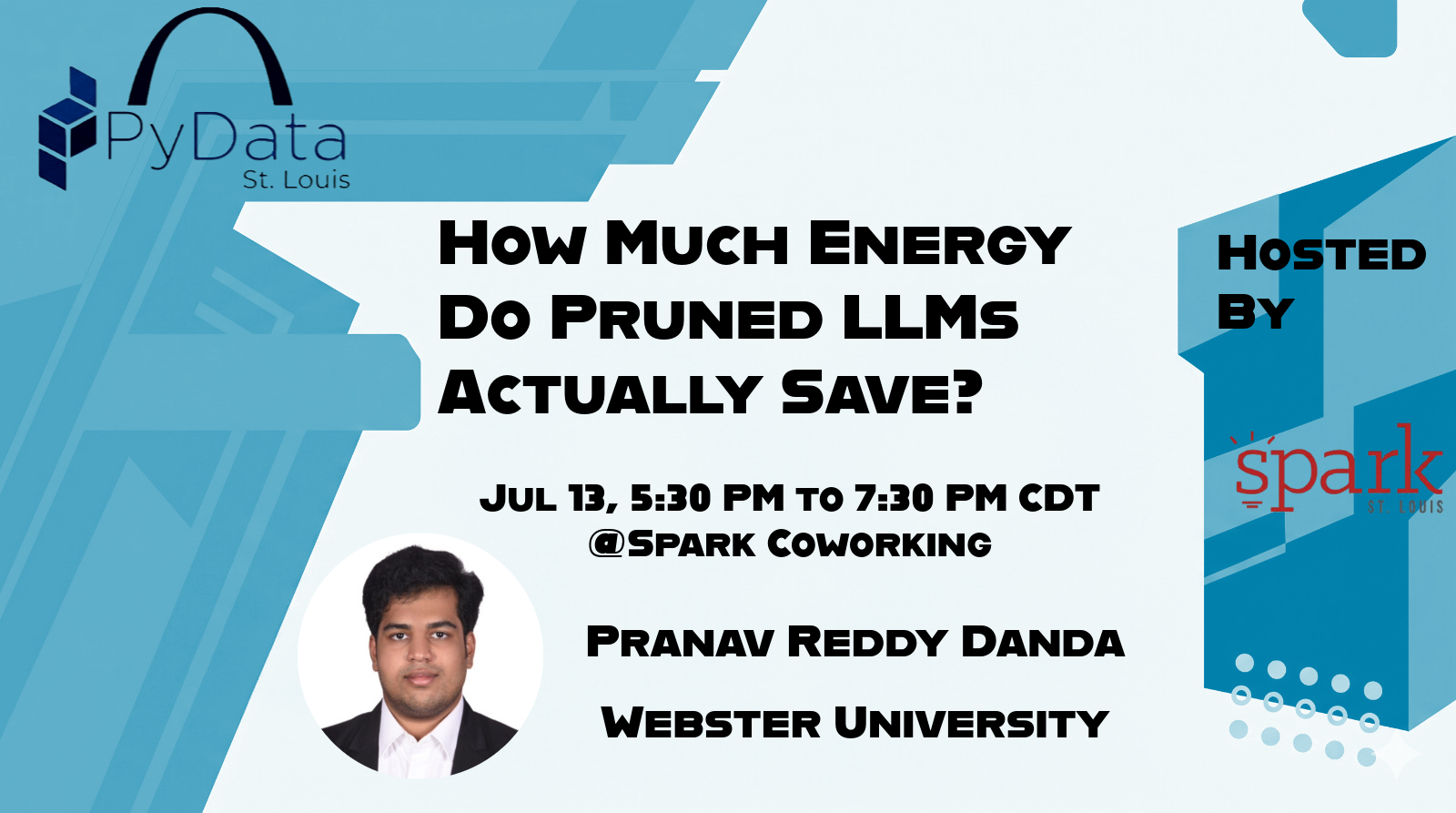
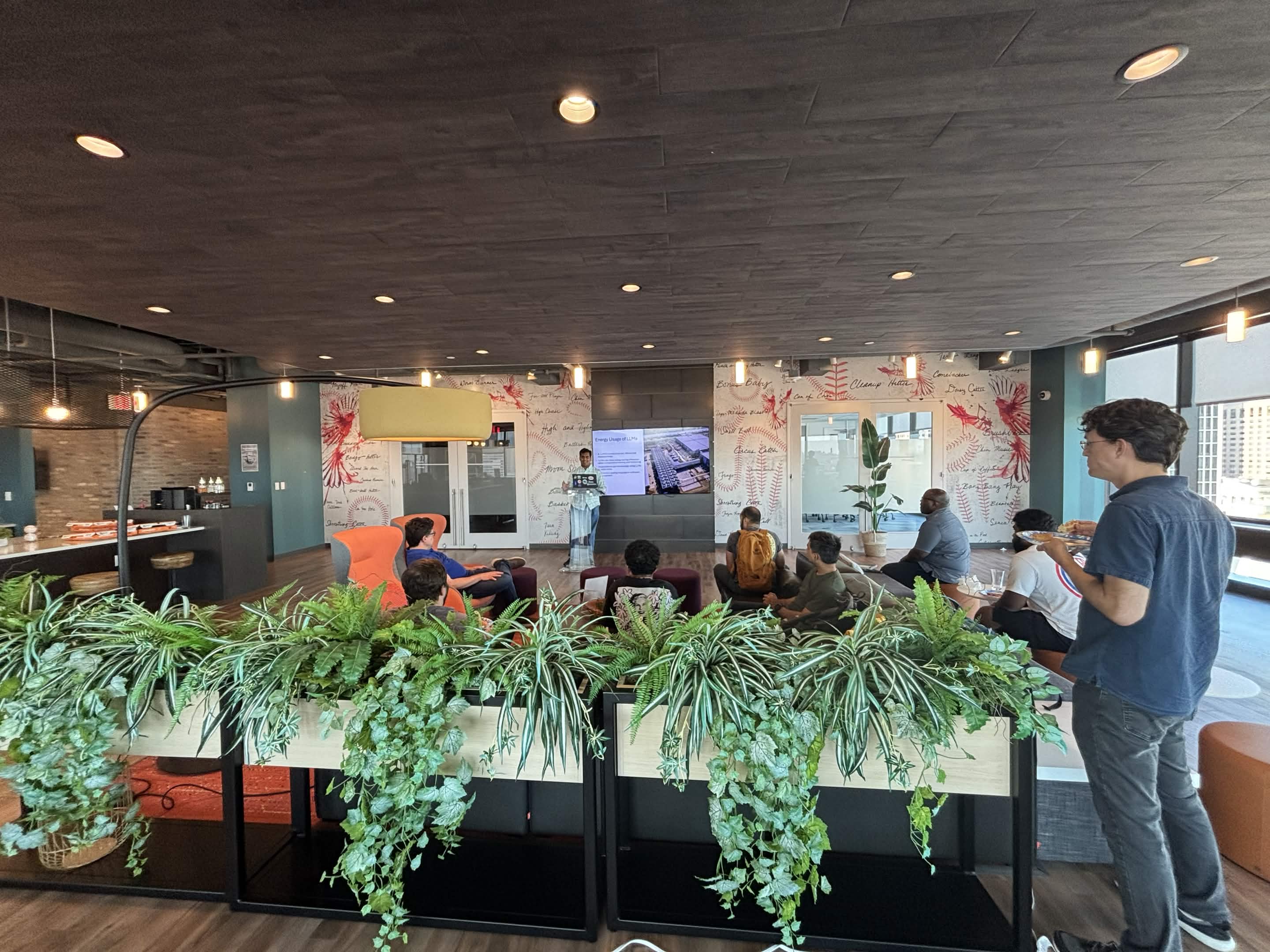
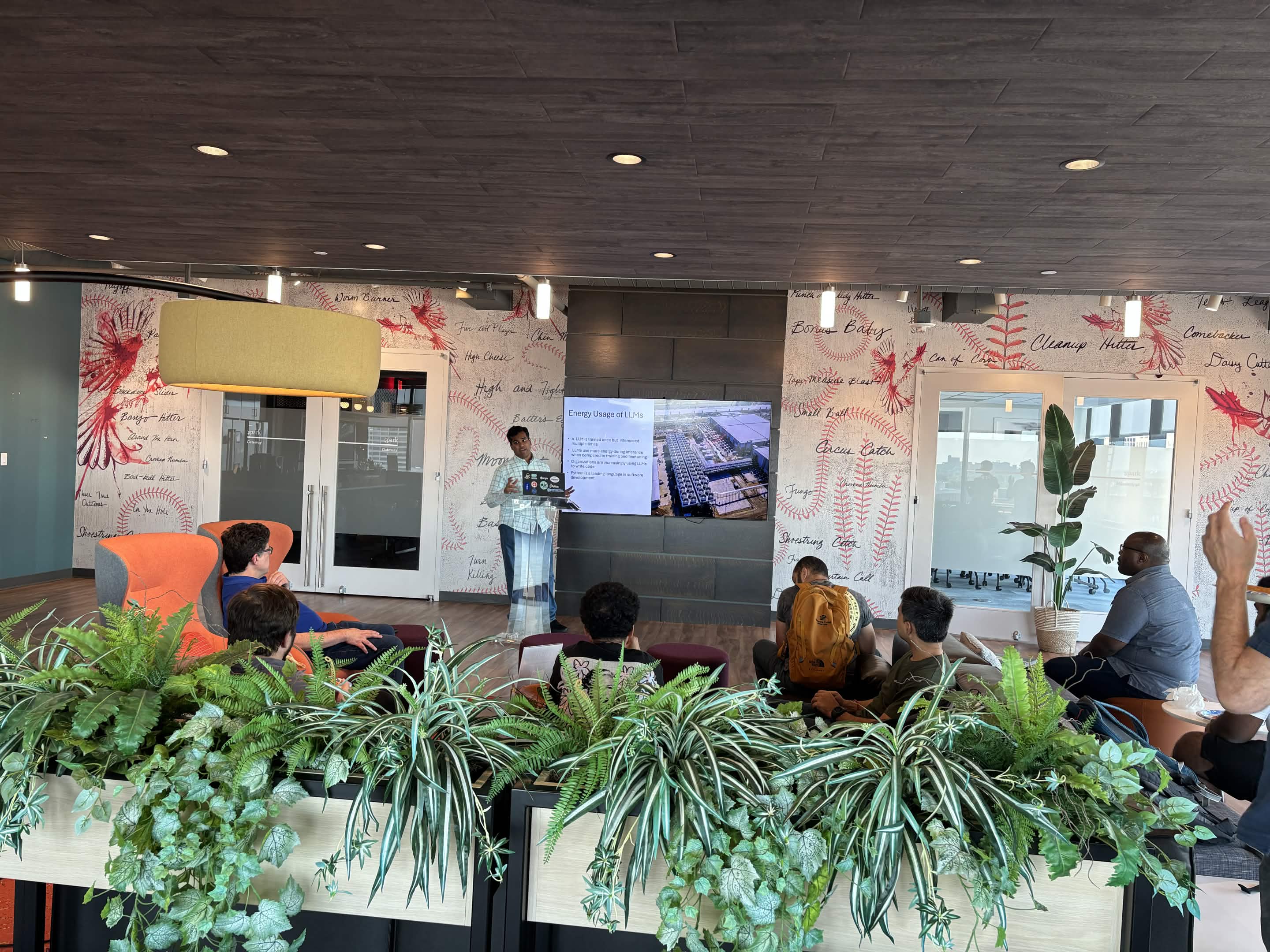
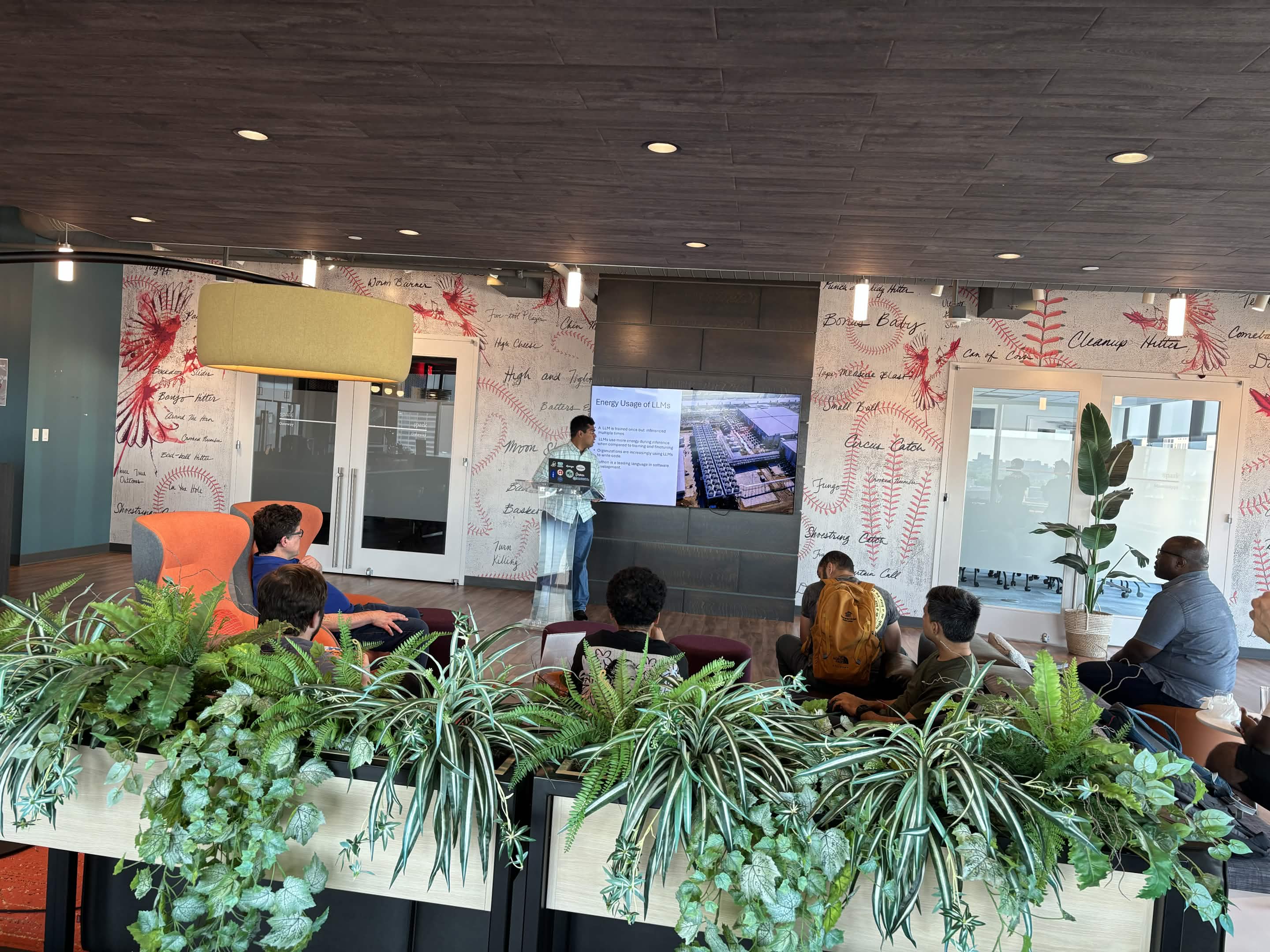
How Much Energy Do Pruned LLMs Actually Save?
2026-07-13 · 5:30 PM
Spark Coworking St. Louis
Recording
About this event
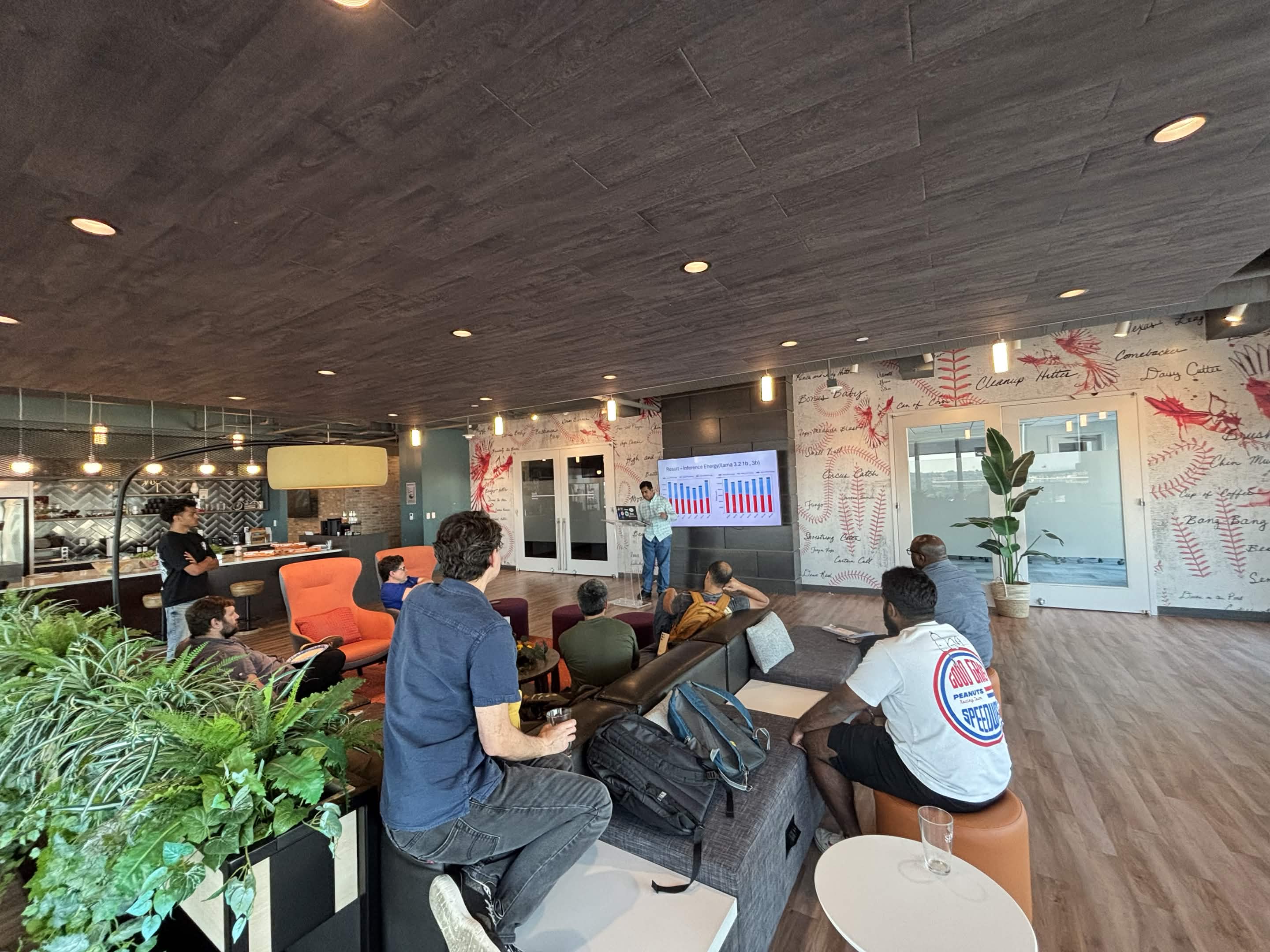
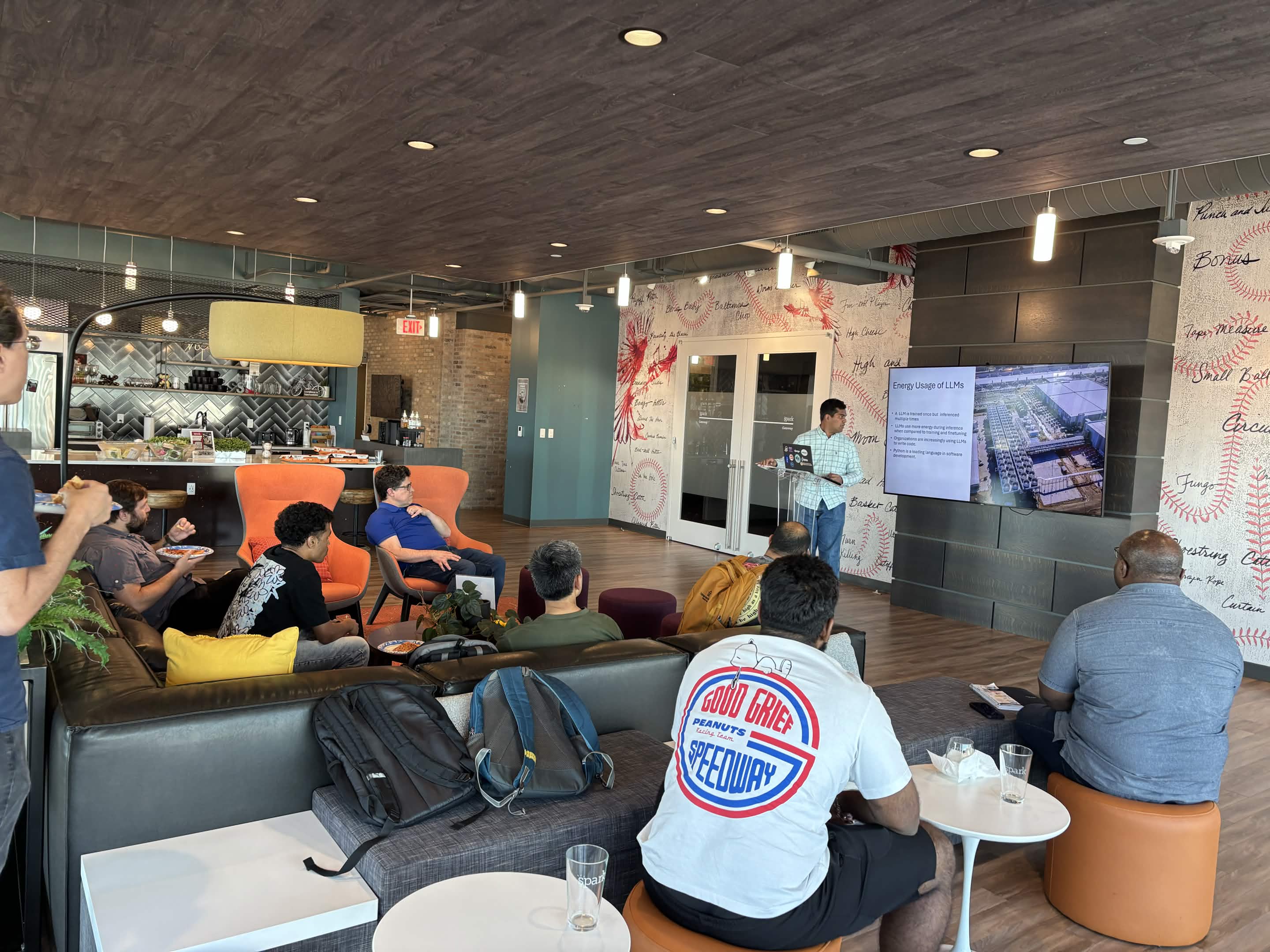
As AI models continue to grow in size and capability, concerns about their computational cost and energy consumption have become increasingly important.
One popular approach to reducing these costs is pruning, a technique that removes less important components of a neural network to create smaller and potentially more efficient models.
Agenda
- Meet & Greet, networking, introductions
- Talk + Q&A
- Wrap-up
Speaker

Pranav Reddy Danda
Pranav Reddy Danda is a cybersecurity and AI engineer who recently completed an M.S. in Cybersecurity with an emphasis in Artificial Intelligence at Webster University, building on an undergraduate background in Electronics and Communication Engineering. His work sits at the intersection of machine learning and security, with a focus on the energy efficiency of large language models.

Event photos
Event
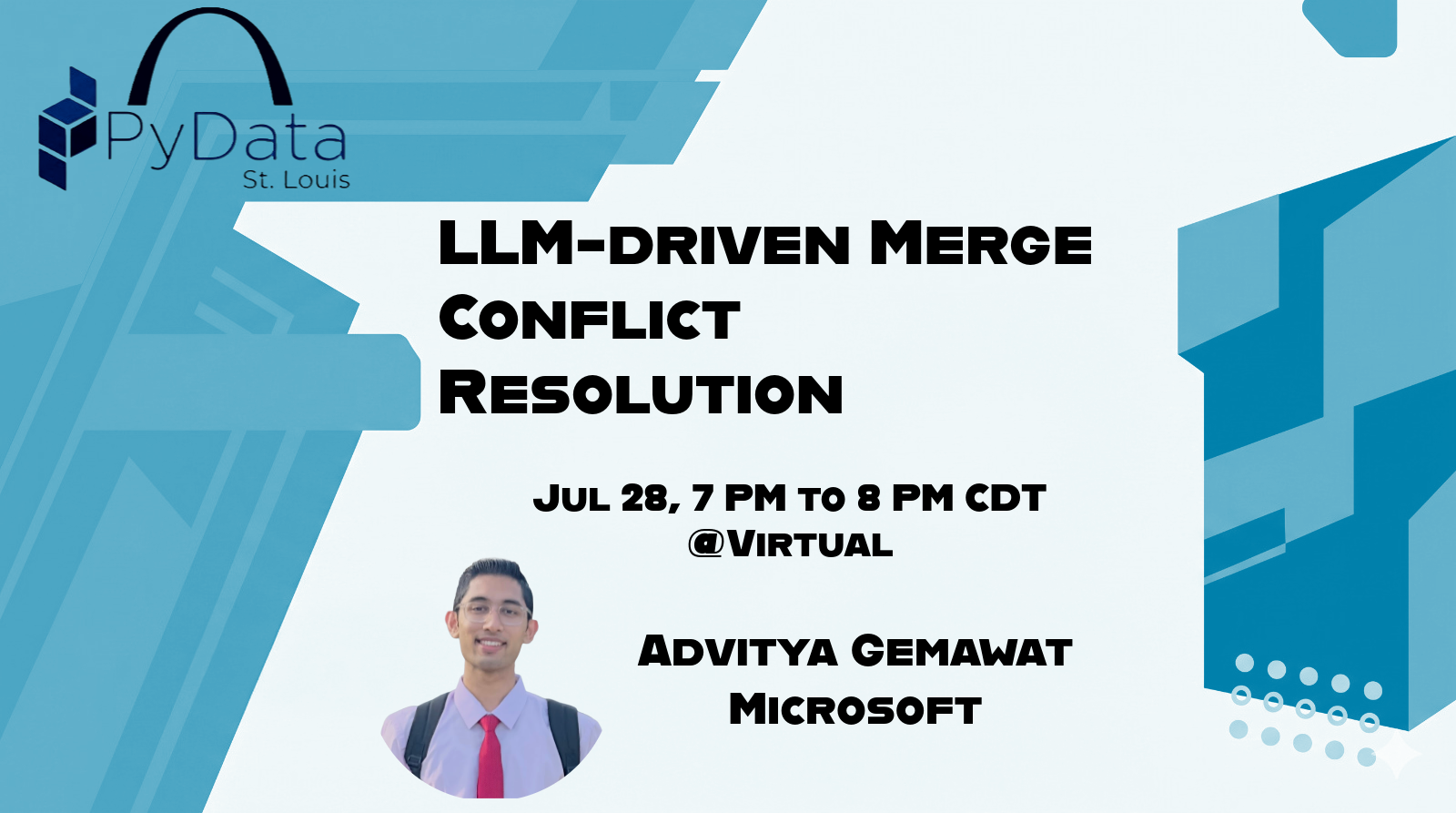
LLM-Driven Merge Conflict Resolution: From Frustration to Automation
2026-07-28 · 7:00 PM
Online
Recording
About this event
Merge conflicts are an unavoidable part of collaborative software development, often slowing teams down and creating friction during the development process. Recent advances in Large Language Models (LLMs) have opened new possibilities for understanding code context and assisting developers in resolving conflicts more efficiently.
In this talk, Advitya Gemawat, ML Engineer at Microsoft, will explore how LLMs can be applied to merge conflict resolution, the challenges involved in understanding code changes across branches, and the opportunities for building intelligent developer tools.
Drawing from his experience building machine learning and AI systems at Microsoft, Advitya will discuss practical approaches, current limitations, and the future of AI-assisted software engineering.
Whether you're a software engineer, data scientist, researcher, or AI enthusiast, this session will provide valuable insights into how modern AI is transforming the developer experience.
Agenda
- 7:00 PM – Welcome and introductions
- Talk + Q&A
- Wrap-up
Speaker
Advitya Gemawat
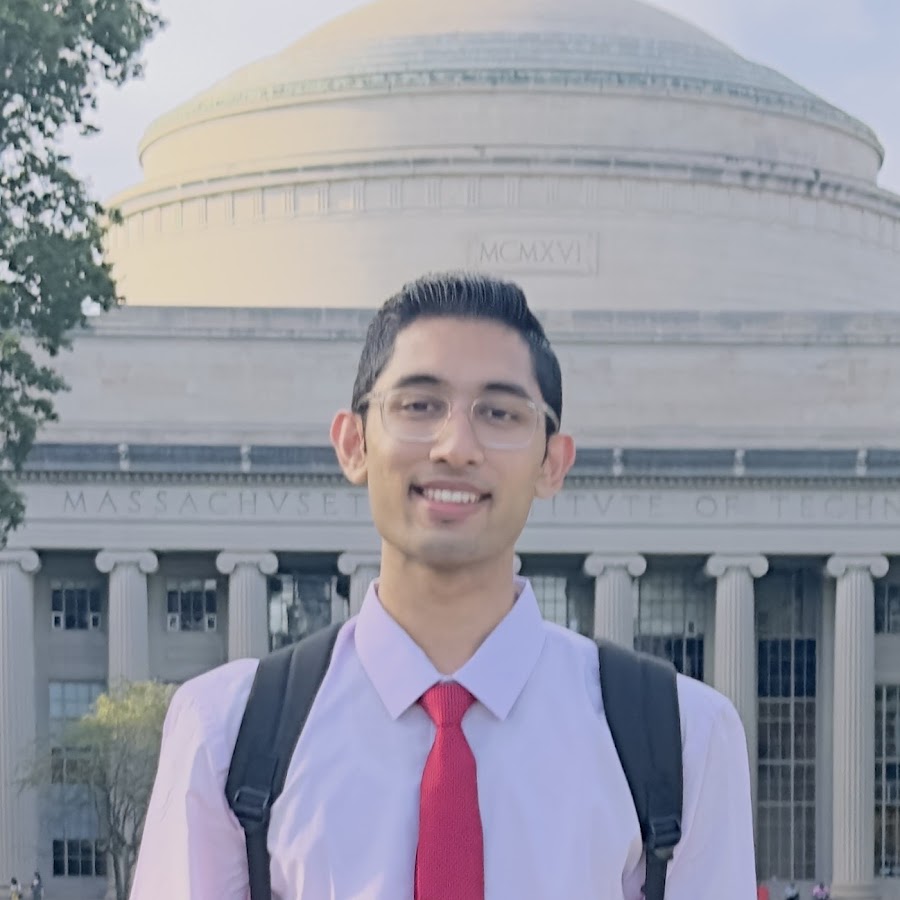
Advitya Gemawat is an ML Engineer at Microsoft, specializing in scalable machine learning systems and Responsible AI (RAI). He has authored publications and received awards from leading venues such as VLDB, ACM SIGMOD, and CIDR. At Microsoft, Advitya has worked with Azure Edge & Platform, Gray Systems Lab, and Windows, building ML and LLM services to enhance developer productivity. He also developed Azure ML’s RAI tooling for computer vision models and Azure OpenAI Evaluations, all of which were released at Microsoft Build (2023– 2025). Previously, at VMware, he expanded deep learning features in Apache MADlib. He was a technical reviewer of the Amazon bestseller 'Ace the Data Science Interview' book and was recognized as a “25 under 25: Top Data Science Contributor & Thought Leader.” He is also a keynote speaker at technology panels and podcasts.


Event photos
Event
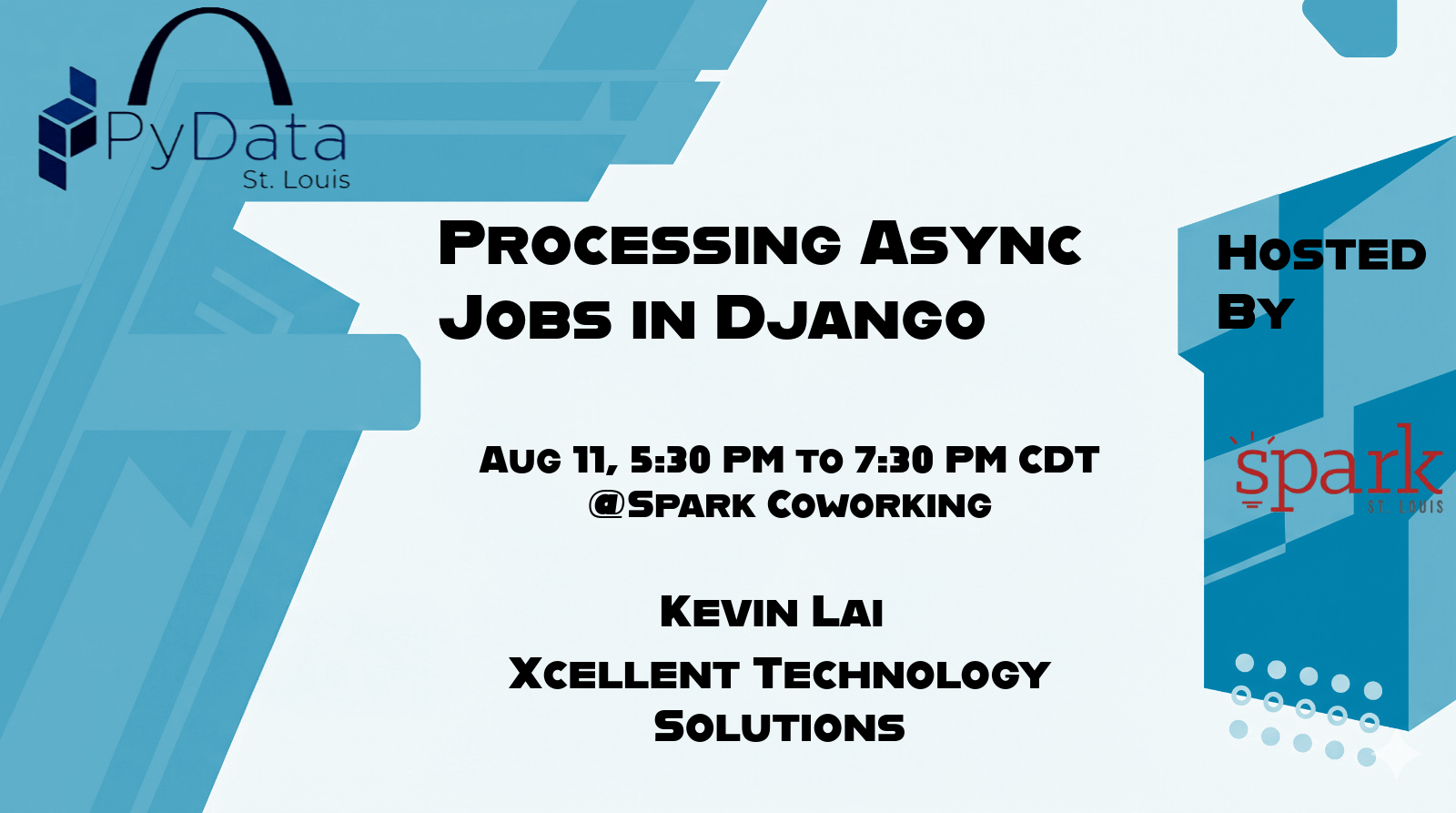
Processing Async Jobs in Django
2026-08-11 · 5:30 PM
Spark Coworking St. Louis
Event photos
About this event
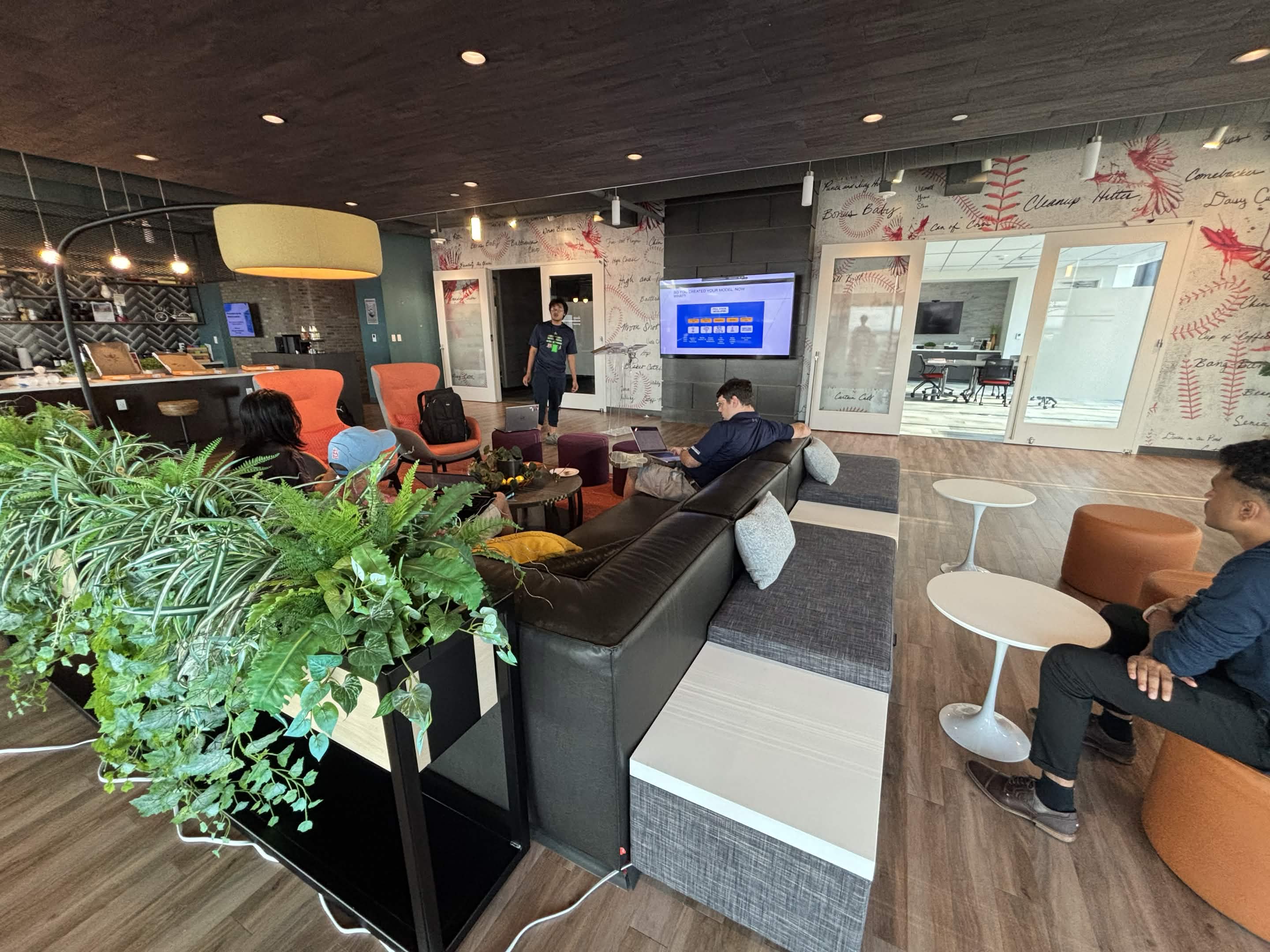
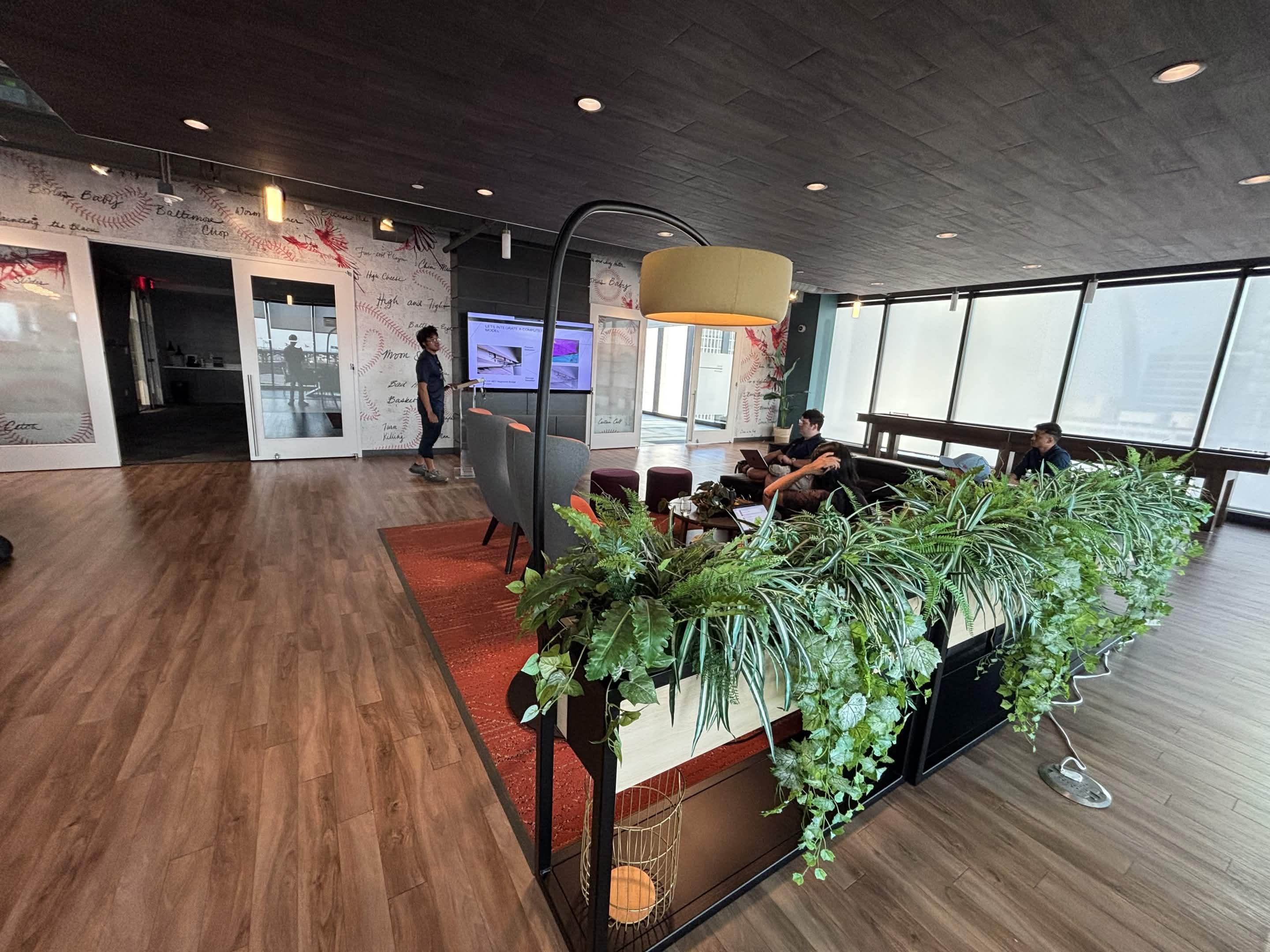
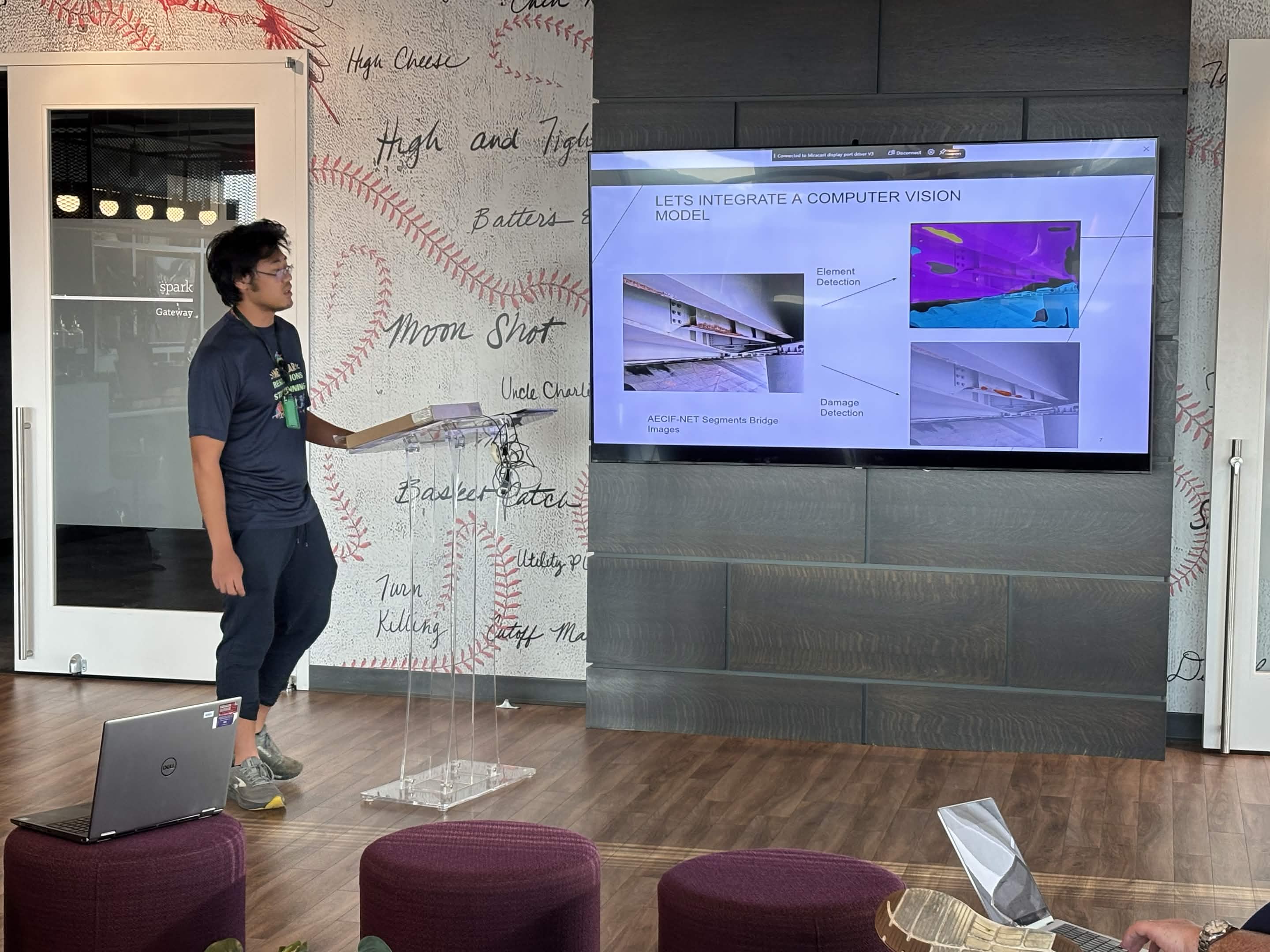
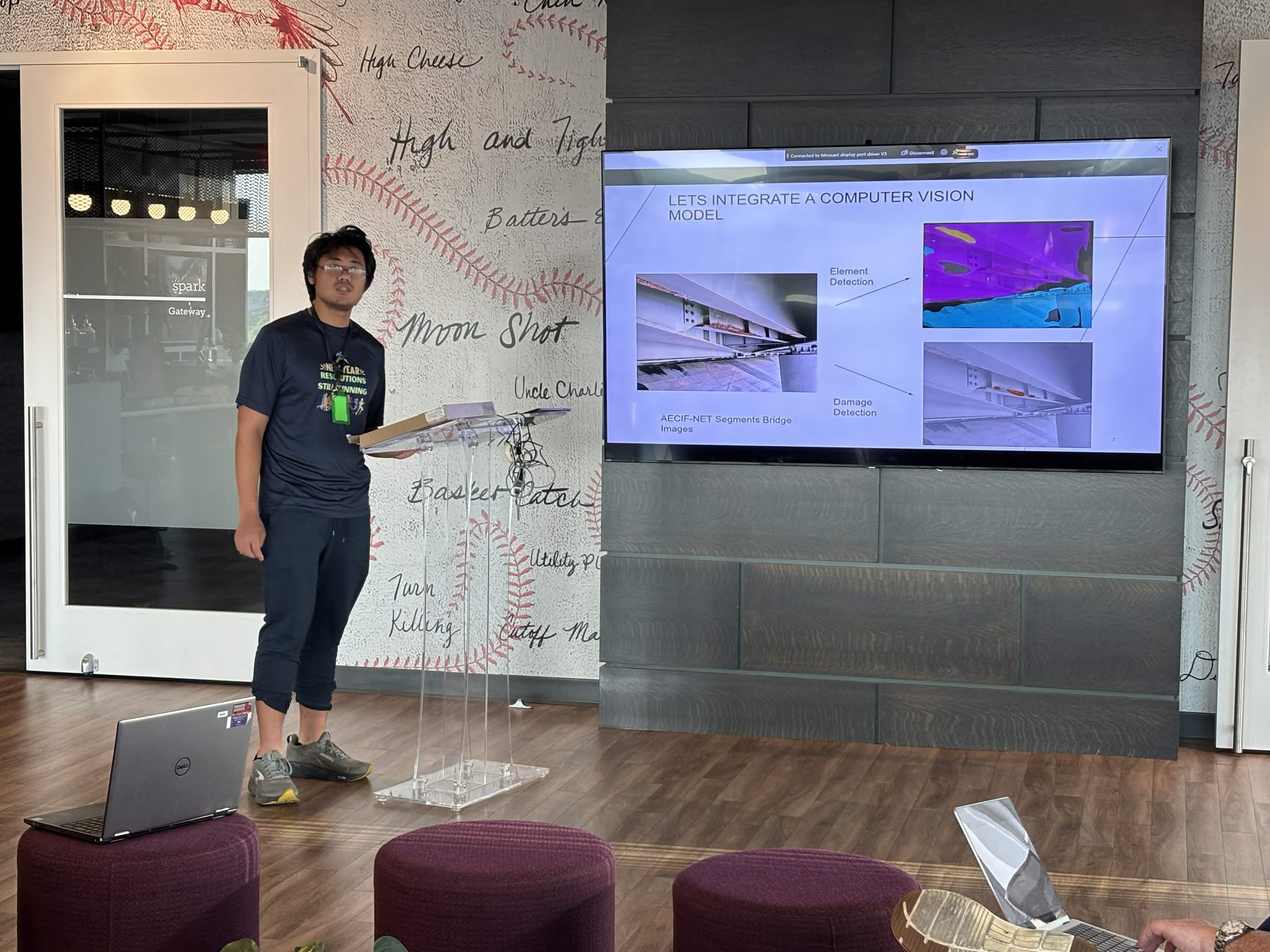
Modern Python applications often need to handle work that shouldn't block user requests, from sending emails and processing files to running long-running background jobs. Celery has become one of the most widely used tools for building scalable asynchronous systems, but designing these systems comes with important architectural decisions and trade-offs.
Agenda
- Meet & Greet, networking, introductions
- Talk + Q&A
- Wrap-up
Speaker
Kevin Lai
Kevin Lai is a Software Developer for Xcellent Technology Solutions and an organizer for PySTL.
Event
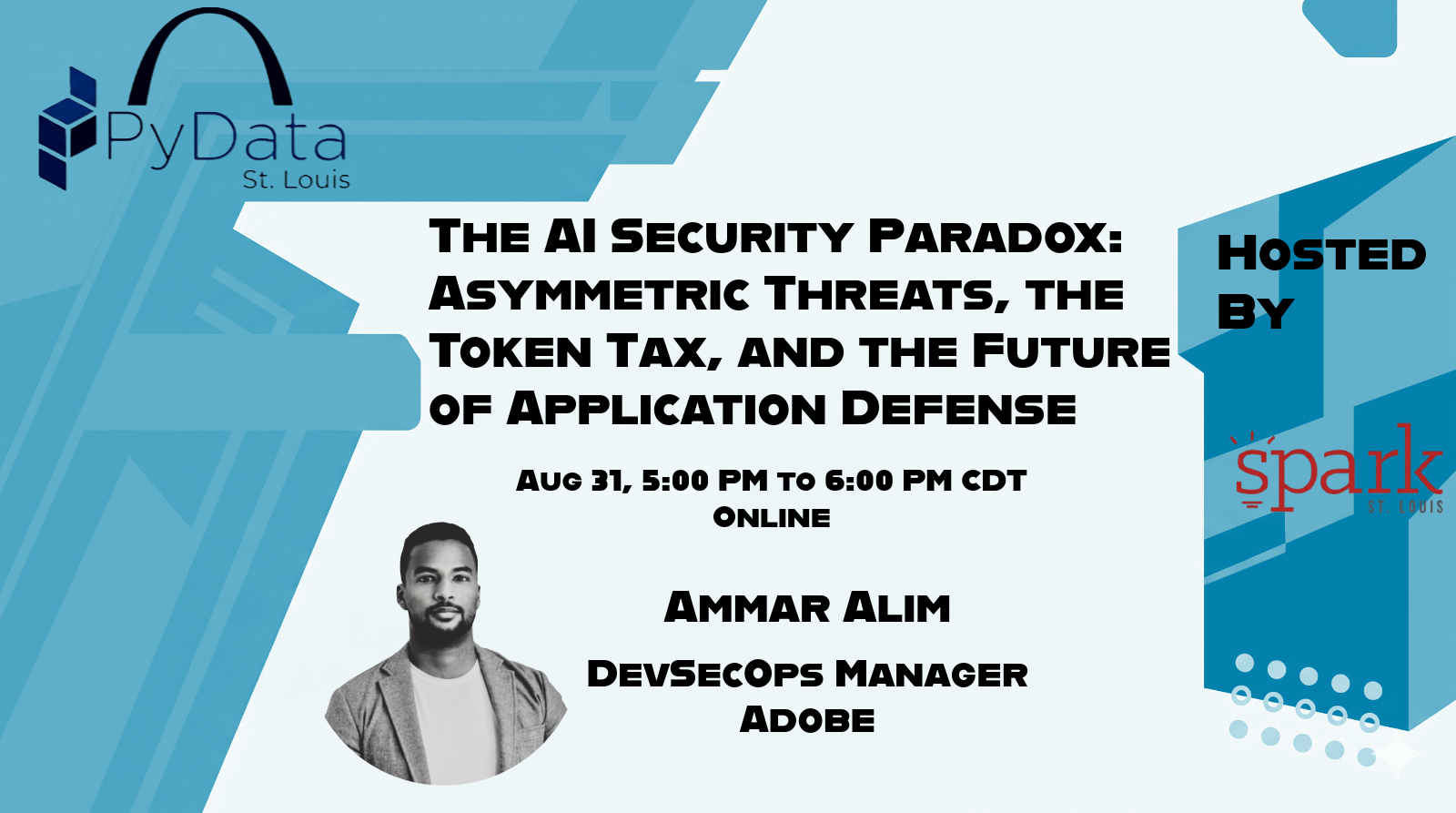
The AI Security Paradox: Asymmetric Threats and the Future of Defense
2026-08-31 · 5:00 PM
Online
Event photos
About this event
Software engineering is undergoing its biggest transformation in decades, but application security is shifting in the opposite direction. While AI tools allow developers to write code faster than ever, foundation models trained on decades of public code are accelerating the volume of vulnerable software flowing into production. At the same time, AI grants attackers infinite patience and speed—enabling automated reconnaissance and rapid exploit generation against large, complex enterprise attack surfaces.
This creates a paradox: security hasn't improved by default, and organizations are effectively paying a 'token tax' to scan and fix the very vulnerabilities generated by AI.
In this session, Ammar Alim (Product Security Engineering Leader at Adobe) breaks down how developers and security practitioners across all experience levels can rebalance this equation. We will explore:
The 'Wounded Buffalo' Effect: Why legacy codebases and AI-driven attack vectors give adversaries a short-term advantage.
The Token Tax Fallacy: Why buying off-the-shelf security tokens won't solve the security crisis without deep architectural integration.
Building Next-Era Defense Systems: How to combine deep domain/business logic awareness with custom AI engineering (RAG, knowledge graphs, and autonomous self-healing agents) to turn reactive security into automated, context-aware pipelines.
Agenda
- Meet & Greet, networking, introductions
- Talk + Q&A
- Wrap-up
Speaker
Ammar Alim
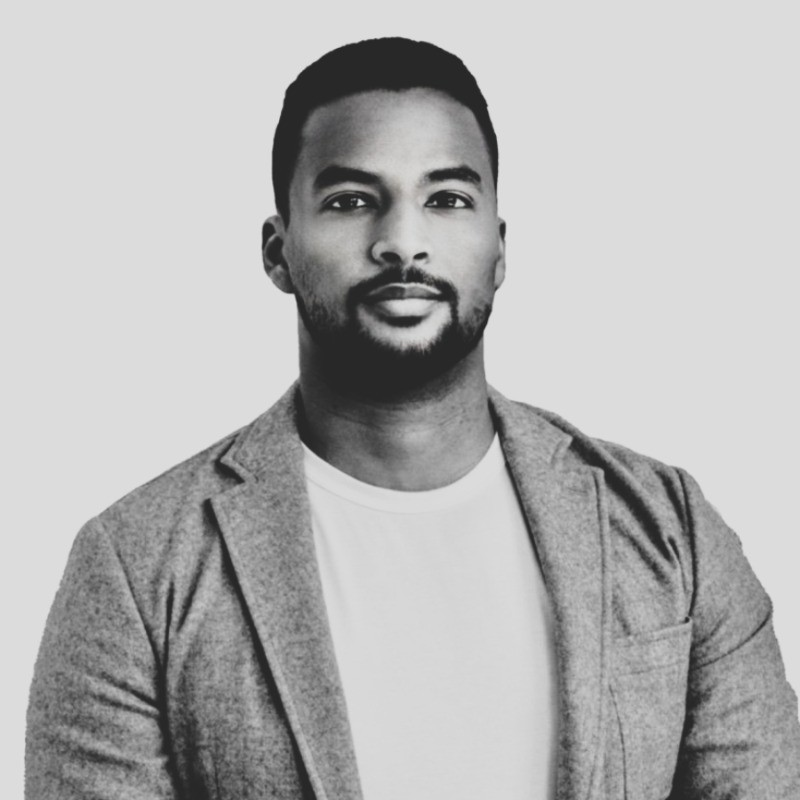
Ammar Alim is the Manager of DevSecOps at Adobe, where he leads a team building solutions that help engineering teams address security issues more efficiently, focusing on seamless integration between application security and DevOps processes. Previously, he was Cloud Security Engineer Manager at Frame.io and Lead Cloud Security Engineer at ActBlue Technical Services, where he built the cloud security function from scratch and implemented controls to detect and prevent nation-state attacks. Ammar is also passionate about helping people from non-technical backgrounds enter the cybersecurity field. Outside work, he enjoys the outdoors and staying fit.